Sleeping in the back of a car because it was cheaper than a hostel and you didn’t care. Booking a flight because the price was right and the week was open. Crossing a border because someone you’d met two days ago said it was worth seeing.
That is the freedom most of us carry nostalgia for. Time felt expansive, responsibility was lighter, and you said yes without running the numbers first.
From a distance, that season looks weightless.
But it came with its own constraints. Less money, less clarity about what actually mattered, less ability to build something that could last longer than a season.
It only looks perfect in hindsight.
What eight years on the road taught us about seasons
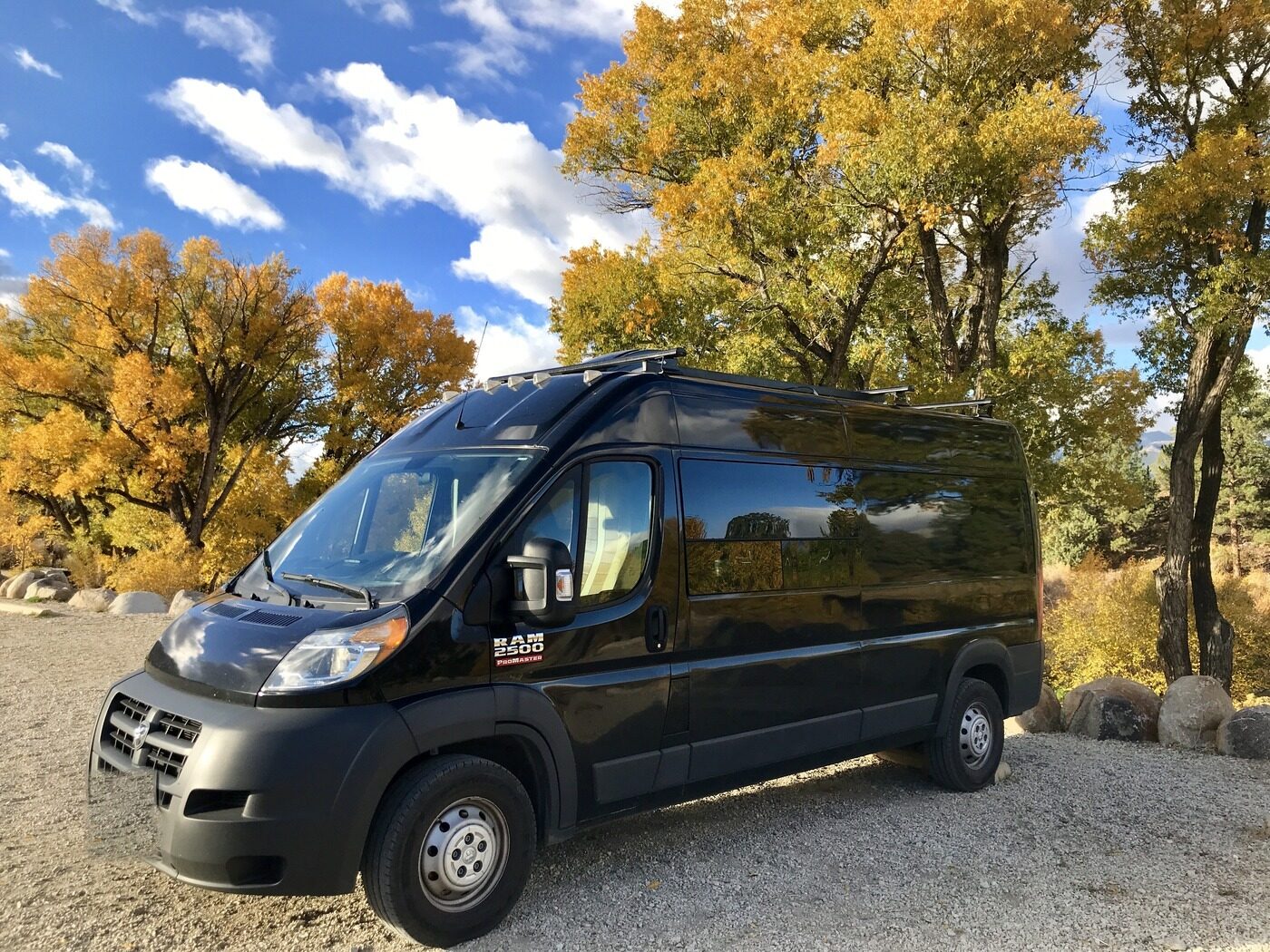
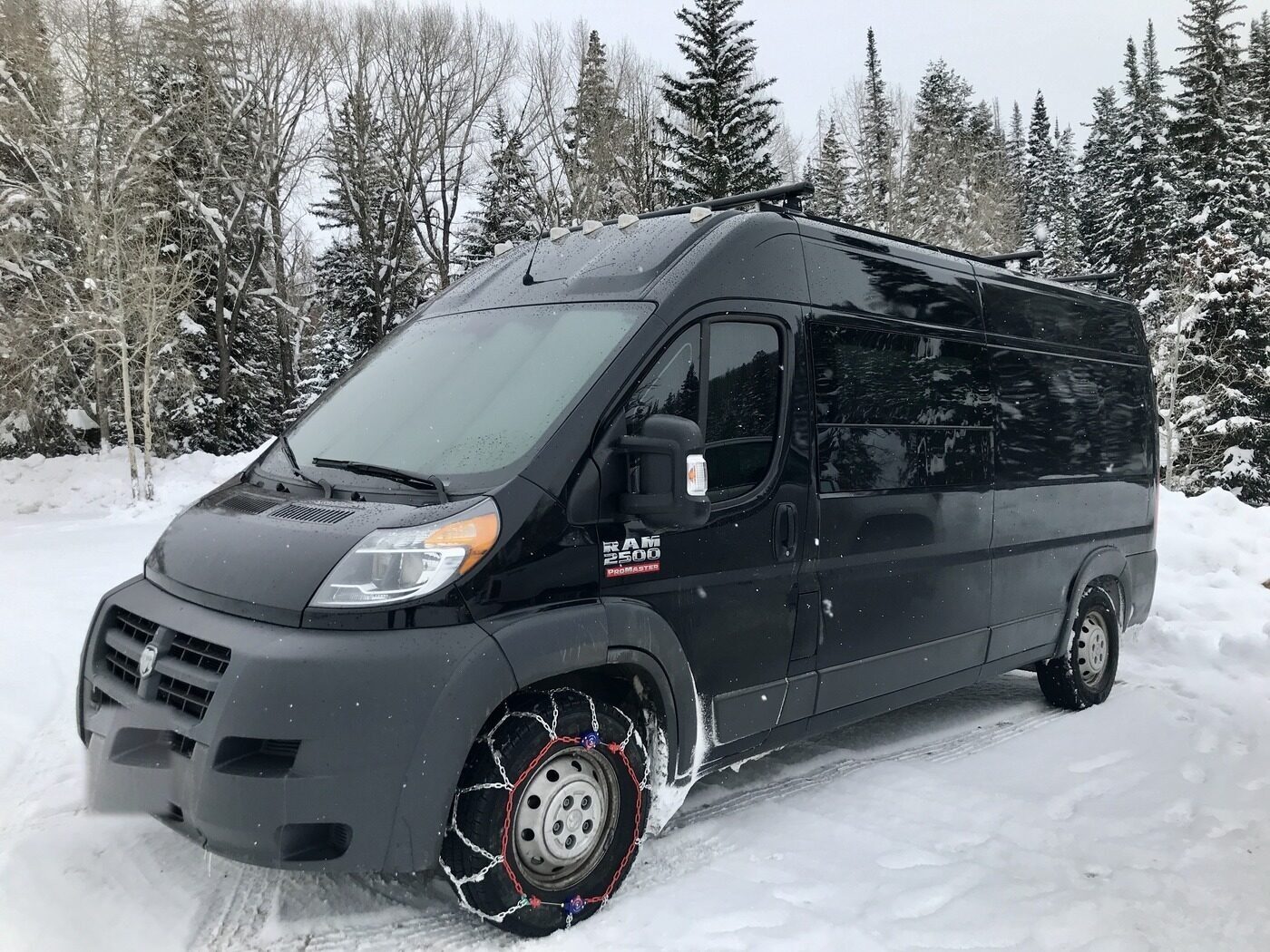
We didn’t buy the van expecting a philosophy. We bought it because rent was climbing and the math wasn’t working and something about a life in motion felt more honest than the one we were slowly accumulating.
What we didn’t expect was how much the van would teach us about the nature of freedom itself.
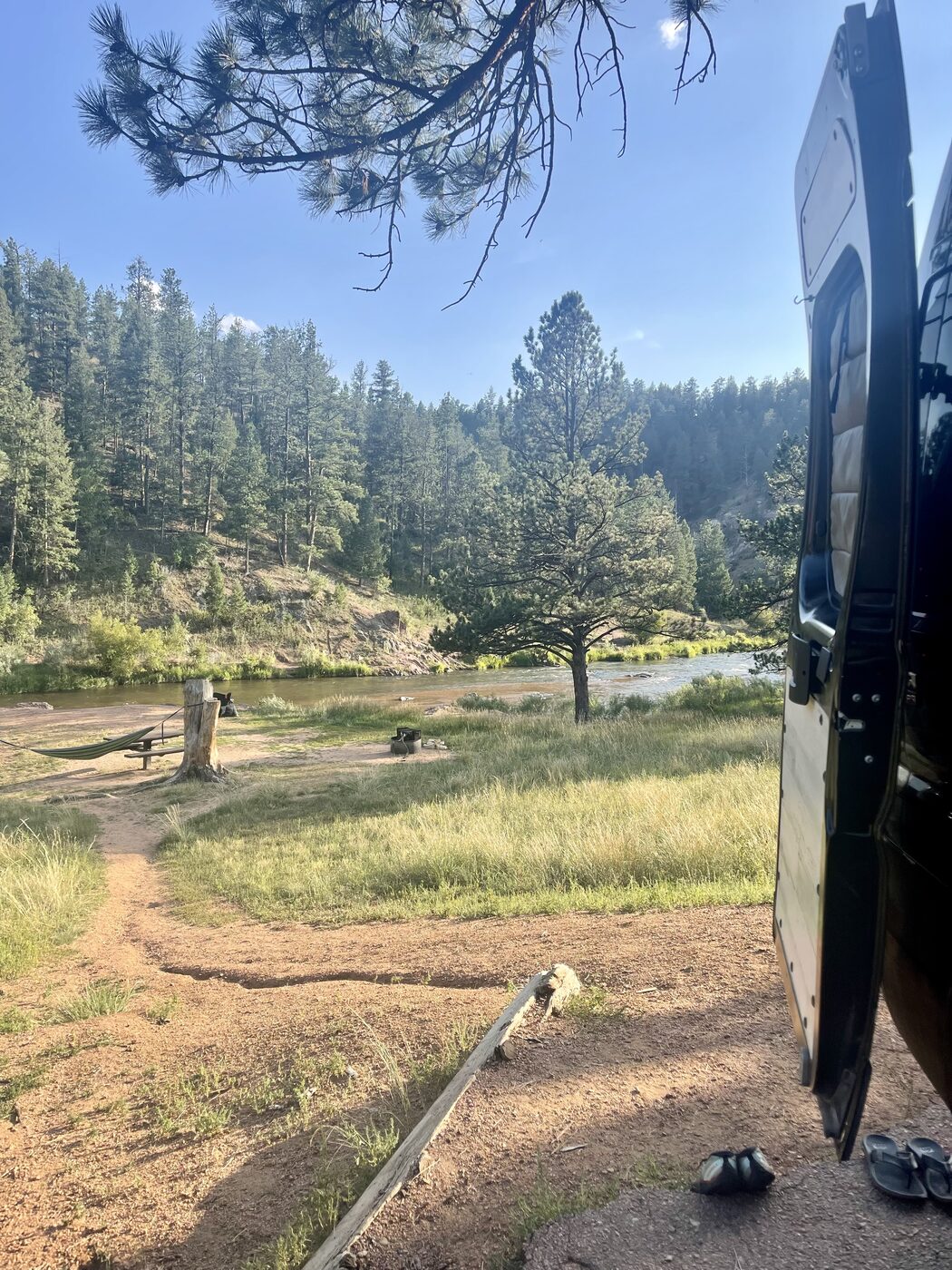
In the first year, freedom looked like intention, but slow, unsteady intention. We moved into the van in October in Colorado and spent that first winter there before gradually working our way south. We caught Mardi Gras in New Orleans, landed at Santa Rosa Beach on the Florida panhandle for a season, and eventually made our way north. The forty-eight states weren’t a goal. They were a consequence of following curiosity long enough, year after year.
But somewhere around year three, things started to change.
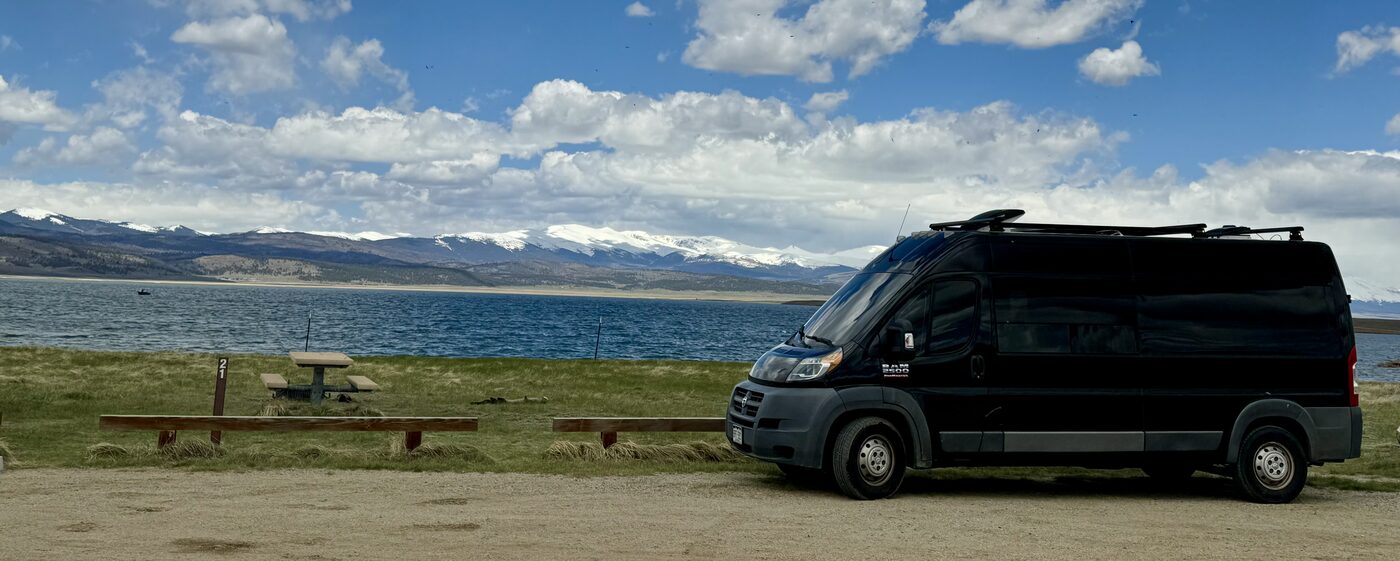
The constant movement started to feel less like freedom and more like avoidance of stillness. We started craving depth over novelty. Longer stays. Returning to the same stretch of BLM land because we weren’t done with it yet. Knowing a town well enough to have a favorite spot for coffee, a back street worth walking twice.
Freedom hadn’t disappeared; it had evolved.
Year five looked different again. We were more intentional about where we went and why. We planned further ahead. We built more structure into our days. And paradoxically, that structure created more freedom, because we weren’t spending energy on decisions that didn’t matter.
Eight years of van life didn’t give us one version of freedom. It gave us several, and taught us that each one was right for its season.
The timeline most of us absorb without realizing it
There’s an unspoken script most of us inherit without ever agreeing to it.
Adventure belongs to the young. Risk belongs to the unattached. Reinvention has an expiration date.
We’ve lived enough seasons to know that isn’t true. But we also know how loud that script can get, especially when the people around you are all following it.
Before our trip to Southeast Asia, there was a moment of doubt. Nothing dramatic or panicked, just a steady internal question: are we supposed to have settled by now?
It’s a subtle pressure, the one that suggests growth has a timeline, that choosing something unconventional eventually becomes irresponsible, that at some point the miles stop being meaningful and start being an excuse.
We’ve found the opposite to be true.
The freedom we have now, chosen deliberately, built over years, grounded in partnership and financial intention, carries a depth that impulsive freedom never could. It isn’t accidental anymore. It’s designed.
And designed freedom is more sustaining than spontaneous freedom ever was.
There is grief in outgrowing certain forms of freedom
We want to be honest about this part too.
The spontaneity changes. The margin narrows. The decisions you make ripple further than they used to.
There can be a question underneath it all: did I miss it? Were those my most adventurous years?
It’s an honest question. We’ve both asked it.
But no season is meant to be permanent. Trying to recreate a past version of freedom exactly as it was is like wearing something that no longer fits. It once made sense. It once suited you. Growth changes the shape of your life. It is supposed to.
Different does not mean diminished.
Freedom later in life often requires more intention, not less. Conversations, financial planning, alignment, trade-offs that are visible instead of invisible.
But chosen freedom, the kind you build slowly and deliberately, has roots. It doesn’t blow away when the wind changes.
What we changed when the season did
- You can build mobility around responsibility; they are not opposites
- Slow travel can replace constant movement without losing the depth
- Financial clarity expands freedom; it doesn’t restrict it
- Alignment in partnership matters more than spontaneity
- A well-designed month away can do what a year of restlessness couldn’t
You are not late or behind, and you are not disqualified from movement because your life looks different now.
You are simply in a different season.
And if you stop measuring this season against a previous one long enough to look at what’s actually available to you right now, you might find something worth building.
This version of freedom is grounded. It knows what it costs and still chooses it.