The night before we left, we had a bonfire.
My aunt’s backyard outside Denver. Family crowded around the fire, passing food, talking over each other the way our family does. Someone took a group photo where everyone smiles a little too wide because nobody knows quite what else to do. And at some point in the night I found myself sitting next to my little cousin.
He was nine. Quiet the way smart kids are quiet, taking everything in and missing nothing. We’d done a lot together, him and me. His first hike. His first camping trip. The first fish he ever caught, the first fire he ever built, the first s’more that collapsed in his hands before he could get it to his mouth. I was always trying to show him, without making a big thing of it, that the world was bigger than what he could see from where he was standing.
That night I didn’t know how to explain what we were about to do or why. So I didn’t try.
We just sat there by the fire.
We left before dawn.
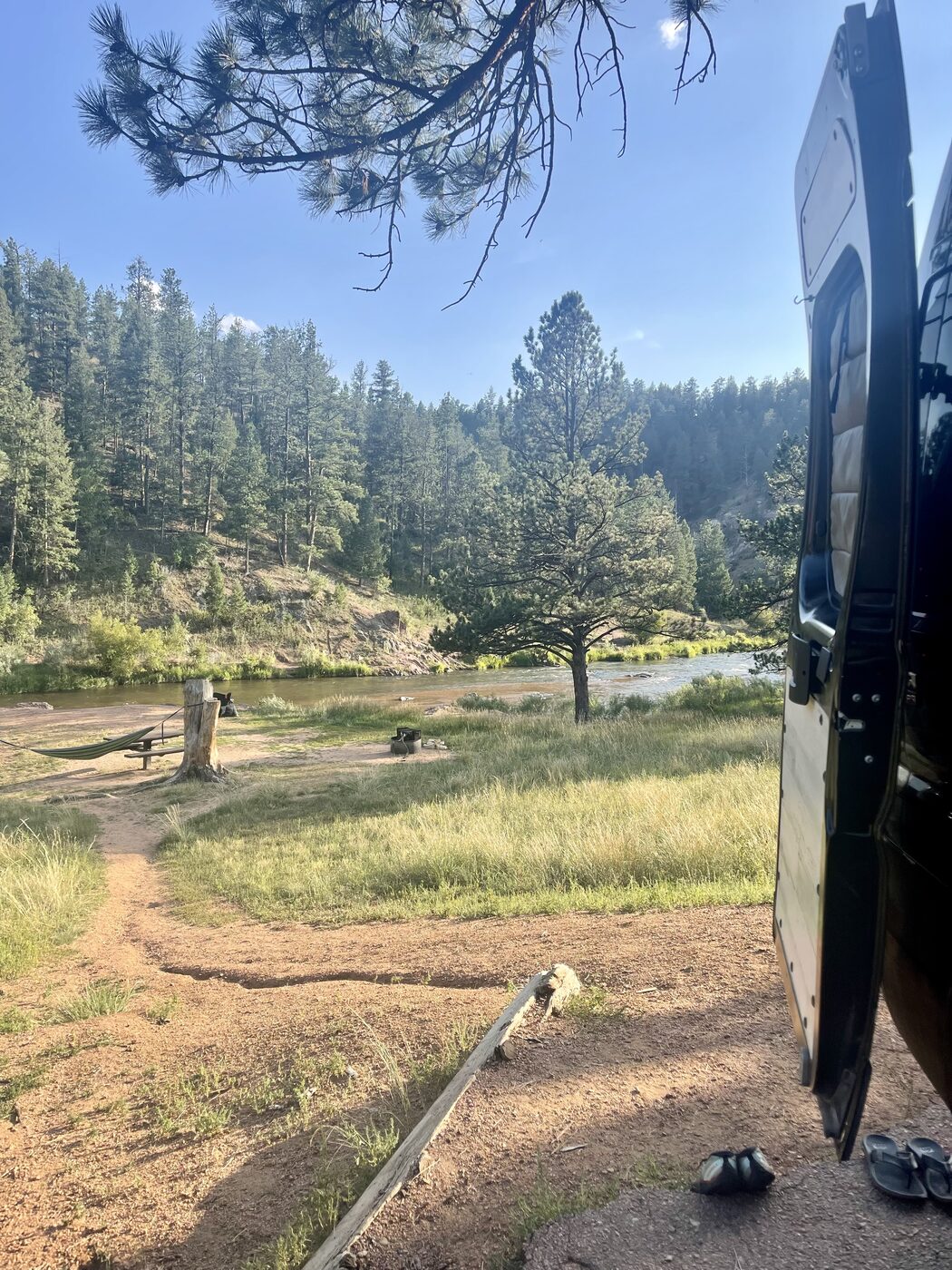
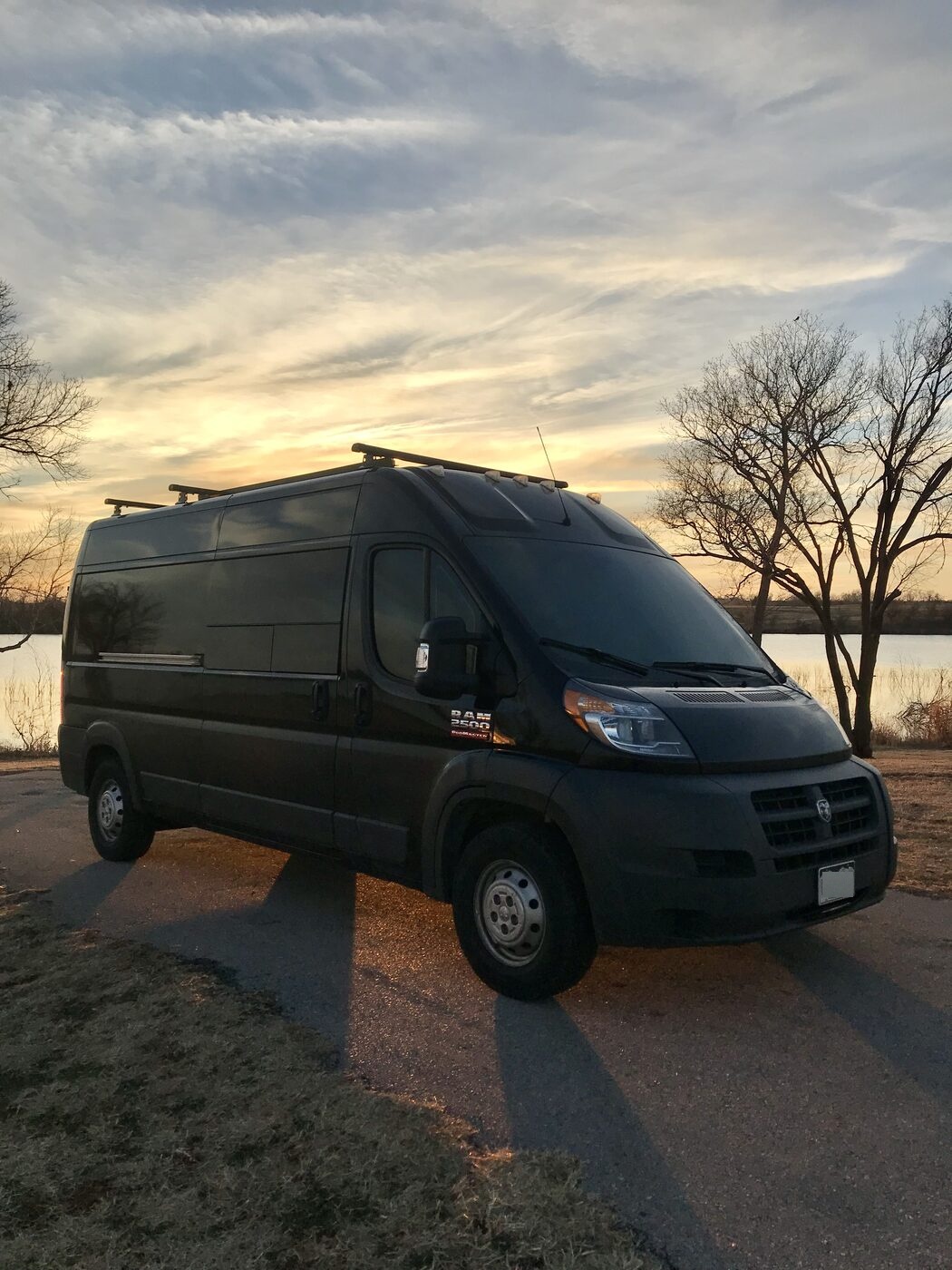
I remember the neighborhood was completely still, that specific Colorado quiet where the air is thin and cool and the sky starts turning before the sun has any right to be up yet. The van was packed. Everything we needed, and nothing we didn’t, loaded into seventy square feet of space that was about to become our entire world.
I cried pulling out of that driveway.
I’m not sure I expected to. I was excited, genuinely excited. Florida was waiting. The road was waiting. The life we had been building toward was finally, actually happening. But I’ve learned something about myself since then, something that trip began to teach me: I cry when I leave things that fill me. Not from sadness exactly, but from fullness. From the ache of walking away from something that touched you and made you feel like the best version of yourself.
It’s the closest thing I know to what Anthony Bourdain meant when he said the journey changes you. That it should change you.
The leaving is part of it. It has to be.
We didn’t know how it was going to turn out.
I want to be honest about that, because I think we do a disservice to people who are still deciding when we tell our stories only in hindsight, when everything is already resolved, already meaningful, already worth it. Standing in that driveway in the dark, I had no idea what the next chapter looked like. I just knew that not going felt worse than the uncertainty of going.
I would not call that courage. It was just honesty.
There’s a myth that the people who make bold choices feel certain when they make them. That one day clarity arrives, the numbers line up, the doubts go quiet, and everyone nods in approval.
That has never once been our experience.
We were excited and scared and sad to say goodbye, all at the same time, standing in a driveway outside Denver at four in the morning. We didn’t have a guarantee. We had a van, a direction, and each other.
It turned out to be enough.
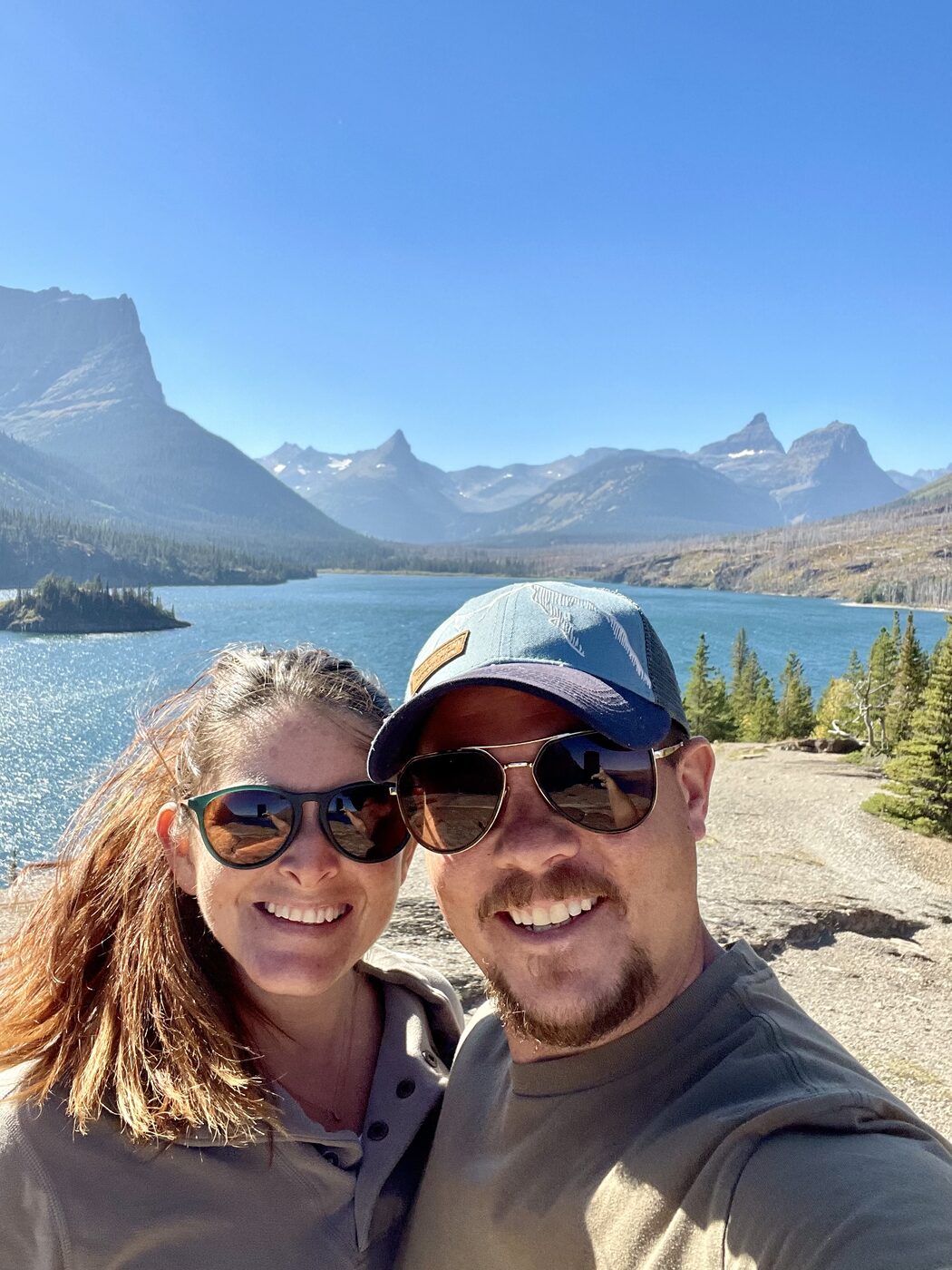
Eight years. All 48 continental states. Tens of thousands of miles of road that looked like nothing on a map and everything in person. Desert light in Utah at golden hour, the kind that makes you pull over whether you planned to or not. The silence of a forest in the Pacific Northwest, deep enough to notice. Storm systems moving across the plains so big you can watch them from miles away, tracking them like something alive.

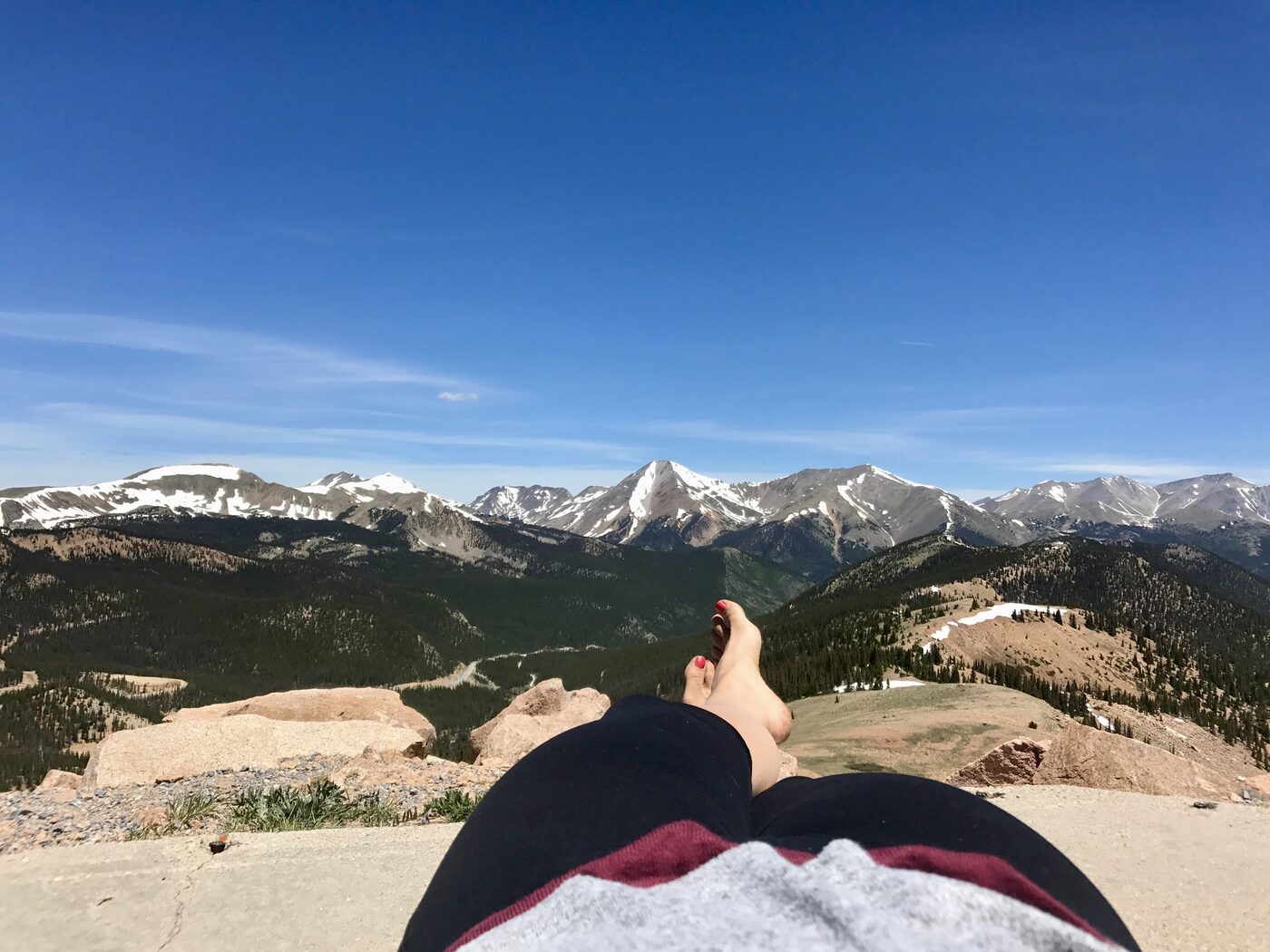
The miles gave us all of that.
But more than the places, and this is the part that’s harder to explain, they gave us ourselves. A clearer, more honest version. Road life strips away the performance of ordinary life. There’s no keeping up with anyone in seventy square feet, and there’s no autopilot. You find out quickly what you actually need, what you can let go of, and what kind of person you are when comfort stops being guaranteed.
We didn’t always like what we found. But we needed to see it.
That’s what the miles do, if you let them.
I still think about that bonfire. He’s not so little anymore. Still quiet, still watching, still doesn’t miss much.
And he isn’t the only one I think about. There’s a whole crew of them now, all my little cousins plus Jesse’s niece and nephew, growing up while we’ve been out here. I try to show this to my whole family. But it lands differently with the young ones, because they’re still early enough in their lives that it can change the shape of things. What society tells you you’re supposed to do, the script you’re handed before you’re old enough to question it, is not the only option. There are other ways to build something.
I hope these years on the road have shown them some of that. Not that any of them has to live the way we do; they don’t, and that’s not the point. Just that choices exist outside the ones you were handed, that a life can be built on purpose instead of assembled by default, and that the world really is bigger than the view from where you’re standing.
I needed someone to show me that once too.
You don’t have to move into a van or cross an ocean. You don’t have to blow up the life you have in order to find the one you want.
But staying exactly where you are, out of hesitation rather than intention, shapes you too. We don’t talk about that part enough.
Stillness is a choice. So is movement. And both of them change you, whether you’re paying attention or not.
The hardest part of that morning wasn’t the logistics. It wasn’t the packed van or the pre-dawn alarm or even the goodbye. It was the moment just before: sitting with the fact that we had decided, and that deciding meant it was real, and that real meant we were responsible for whatever came next.
That moment is the one nobody can do for you.
What I know now, from the other side of it, is that clarity didn’t come before the miles. It came because of them. We weren’t ready when we left. We became ready on the road.
If something in you is pulling, if some part of you is tired of waiting for permission, listen to it.
You don’t have to be certain. You just have to be willing.
Pull out of the driveway. Let yourself cry if you need to.
And go see what the miles make of you.