Chiang Mai, day one
Our first hotel in Chiang Mai put us right in old town, within walking distance to everything. The night market was right there. So was the 7-Eleven, its door chiming open and shut in a steady rhythm.
Don’t judge. If you’ve done your research, you know they’re the holy grail of corner stores in Asia.
We had come straight from Bangkok, and it felt different the second we got there. Chiang Mai is calmer. Motorbikes still moved past and the street still hummed, but you could hear yourself think.
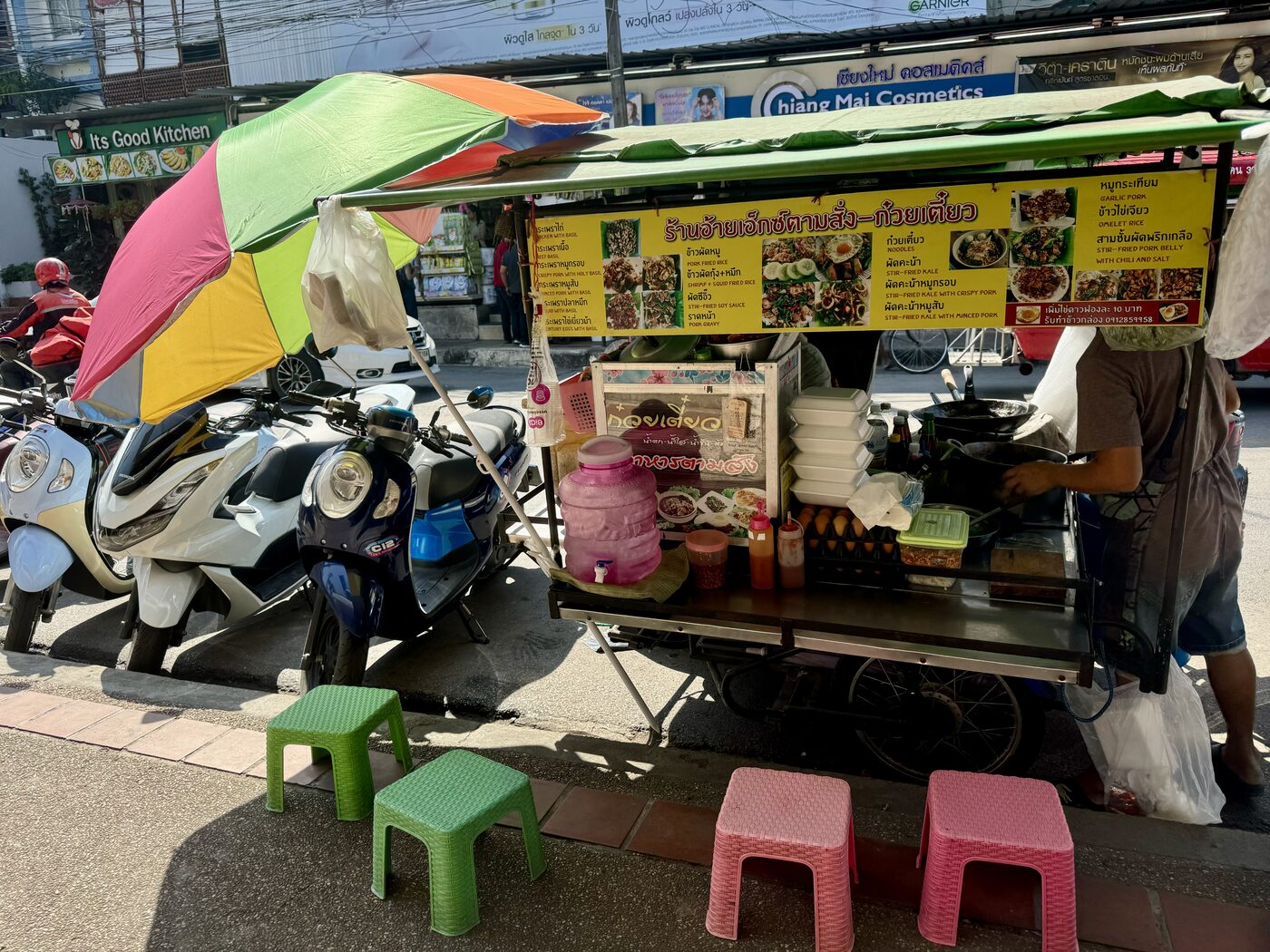
What stopped us was ten feet from the 7-Eleven door: a small food cart with at least six locals sitting on tiny, colorful plastic stools. That’s always a good sign in a foreign country. If the locals eat there, you should too.
As we walked by and made eye contact with one of the men eating, he broke into a wide smile. He pointed to his bowl. Looked at us. Smiled from ear to ear.
“Good,” he said.
That was it. No pitch. No explanation. Just one word and a grin that said everything.
He stood up from his tiny stool, almost ceremoniously, offering us his place. So we sat down.
A bowl of soup
The couple running the cart greeted us like we weren’t strangers at all. We had no English between us and no shared vocabulary, and they were warm anyway.
As they cooked, steam rose into the humid air, carrying the smell of fresh Thai chili peppers. It was sharp and bright, almost sweet at first. And then it hit. Our eyes started watering before we even took a bite.
We laughed through the tears.
The food came quickly, steaming and fragrant. At the end, they brought us extra soup. We tried to pay for it, and they gently waved us off. They were just being generous.
We returned to that food cart several times during our stay. Not just for the food. For the feeling.
The realization
That first day in Chiang Mai set the tone for everything after it. Over the next seven months across Asia, people were kind to us again and again.
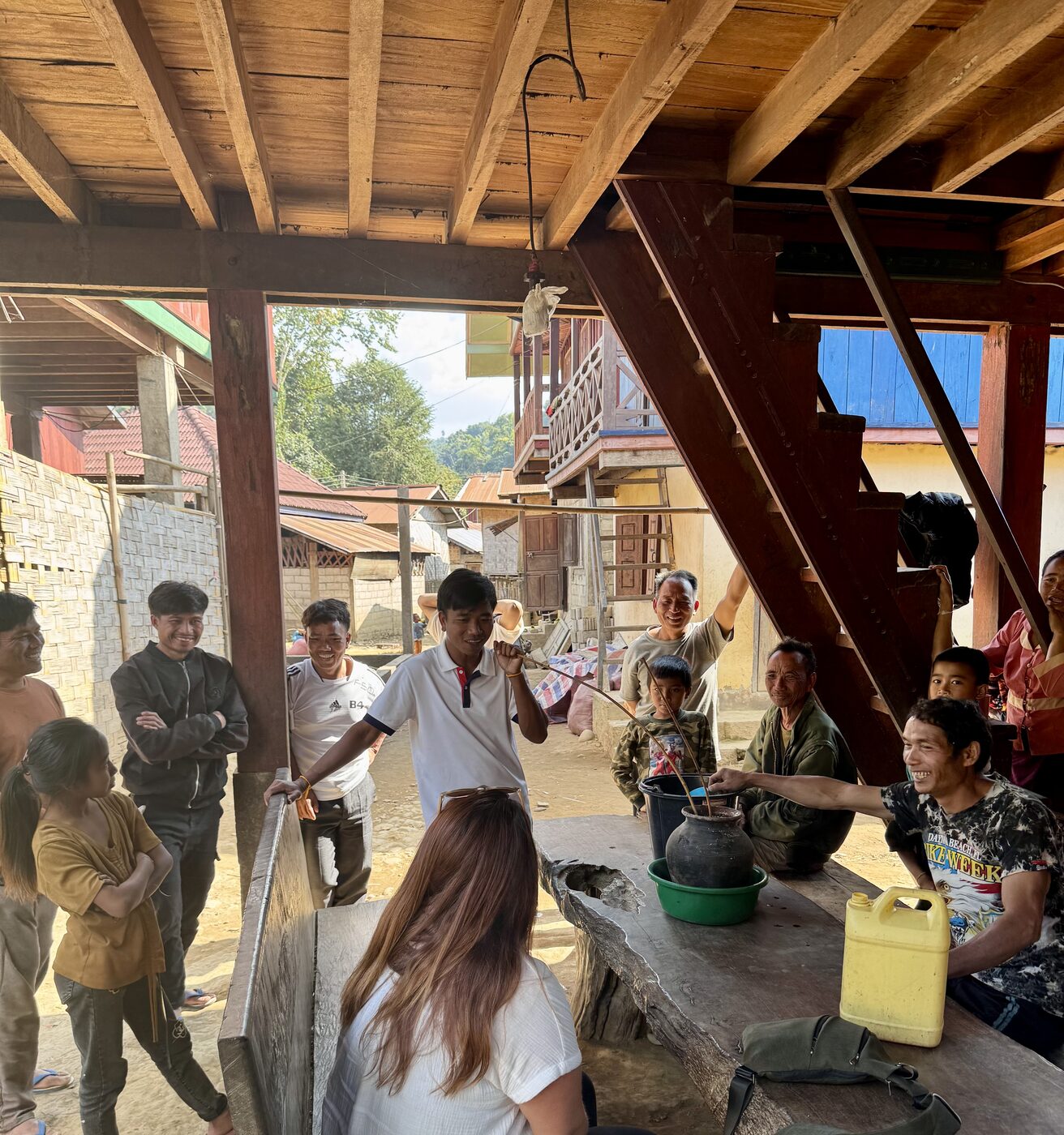
Kindness doesn’t need a shared language, or money, or a reason. A man can offer it by pointing at his bowl.
What we remember about a place is who was there, how they made us feel, and how we made them feel.
Slow down enough to notice
If we had rushed past that cart chasing landmarks, we would have missed it entirely.
We started building “nothing hours” into our travels: time with no plan except to wander, sit, and watch.
When you slow down, you notice the vendor who adds an extra scoop and the stranger who gives you directions without being asked. Going fast makes those easy to miss.
It goes both ways
Sometimes you get the extra soup. Sometimes you’re the one offering help: carrying a bag, sharing directions, translating a map.
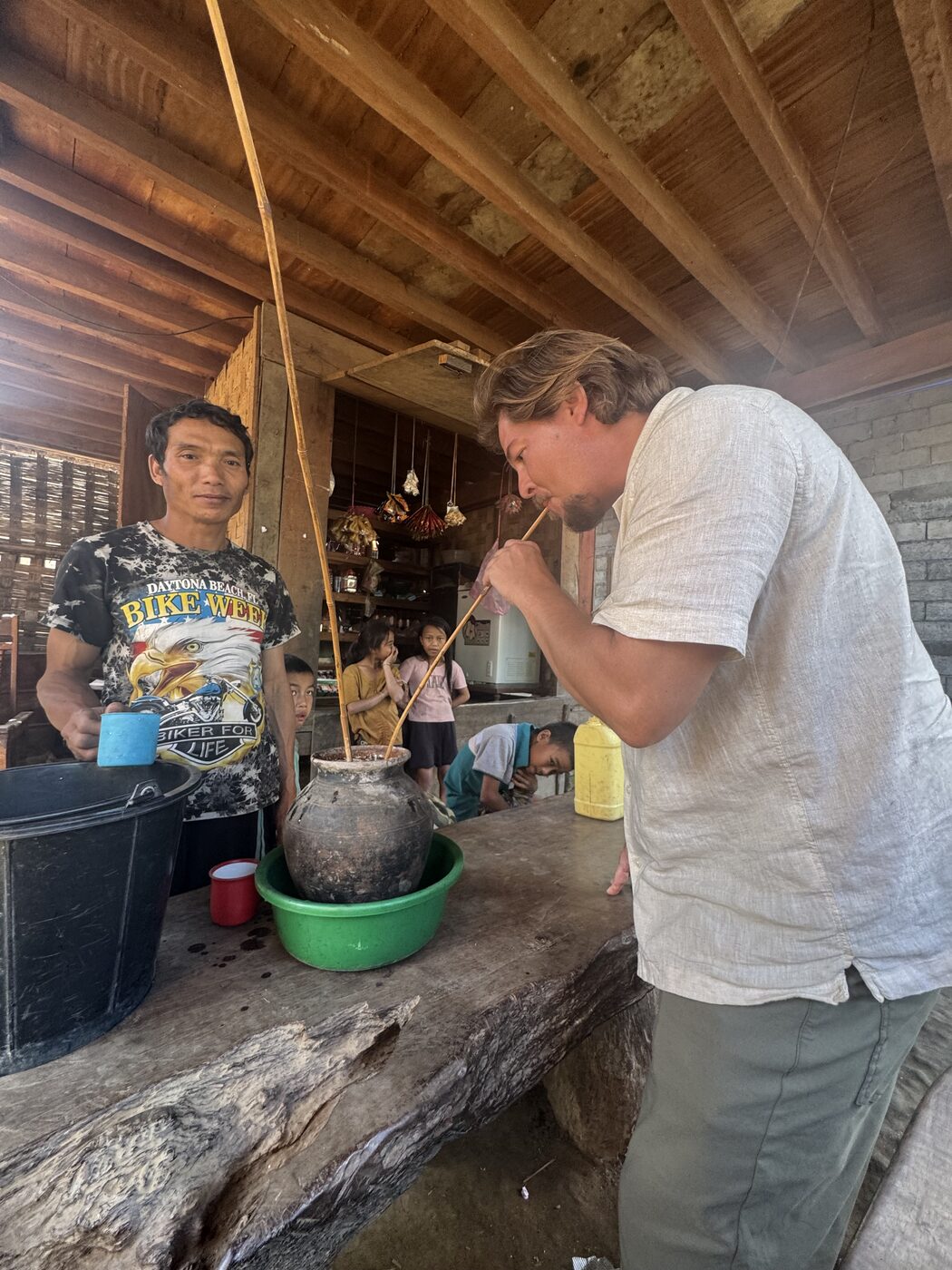
Travel taught us that generosity is mostly small things like these, and that when you’re open with people, they tend to be open back.
The invitation
When we think about Chiang Mai now, the first thing we remember is how much easier it was to breathe there after Bangkok. Then the plastic stools, the steam rising into thick air, the way our eyes watered before we even took a bite, the couple waving away our money with soft smiles.
And when we think about those seven months across Asia, it’s not the landmarks that rise to the surface. It’s the people: the generosity, the unexpected warmth, the reminder that goodness exists everywhere.
That’s what stays.
The next time you travel, look for where the locals gather. Sit down, even if you can’t read the menu, and let yourself be invited in. You don’t need the language.