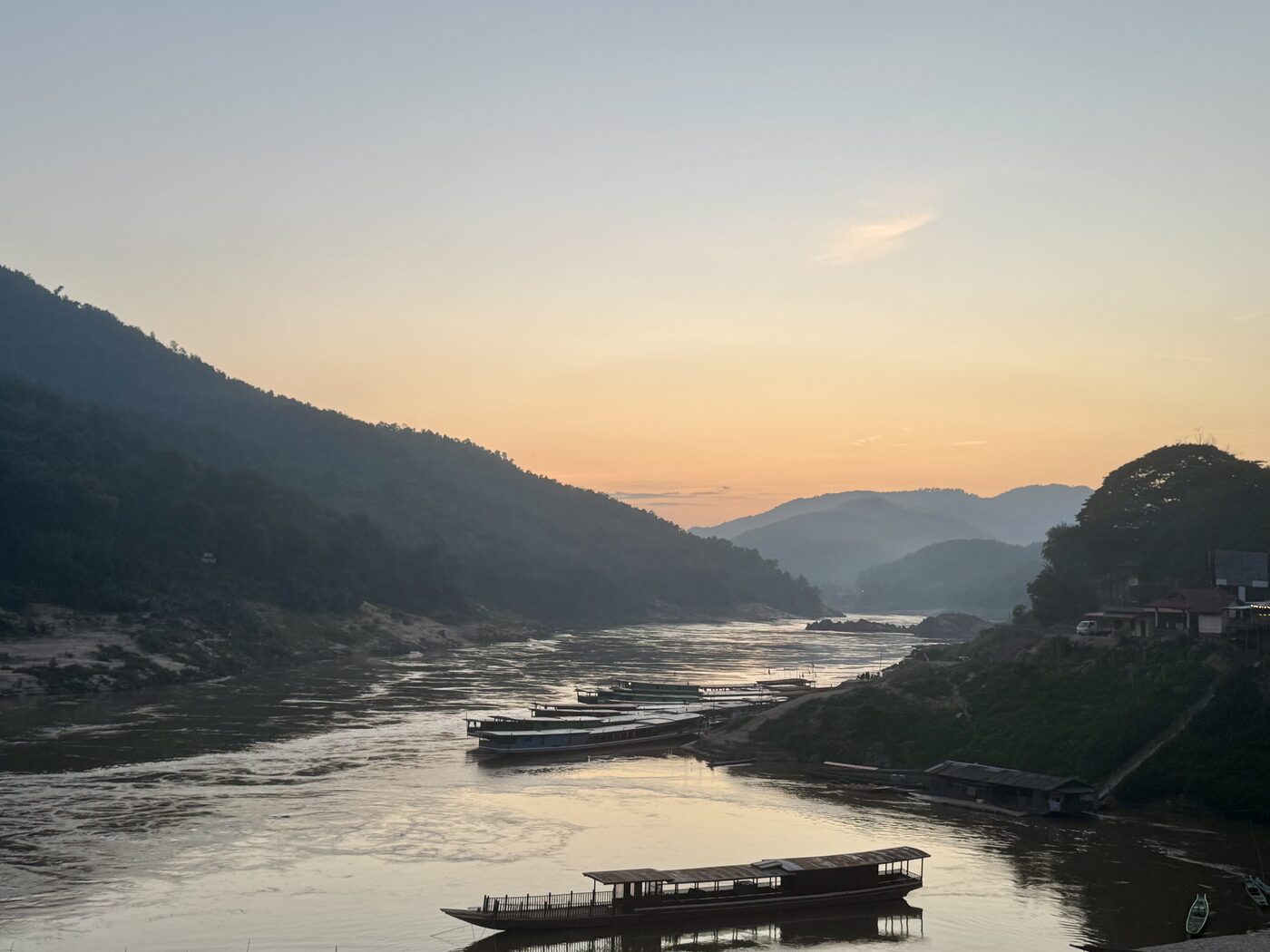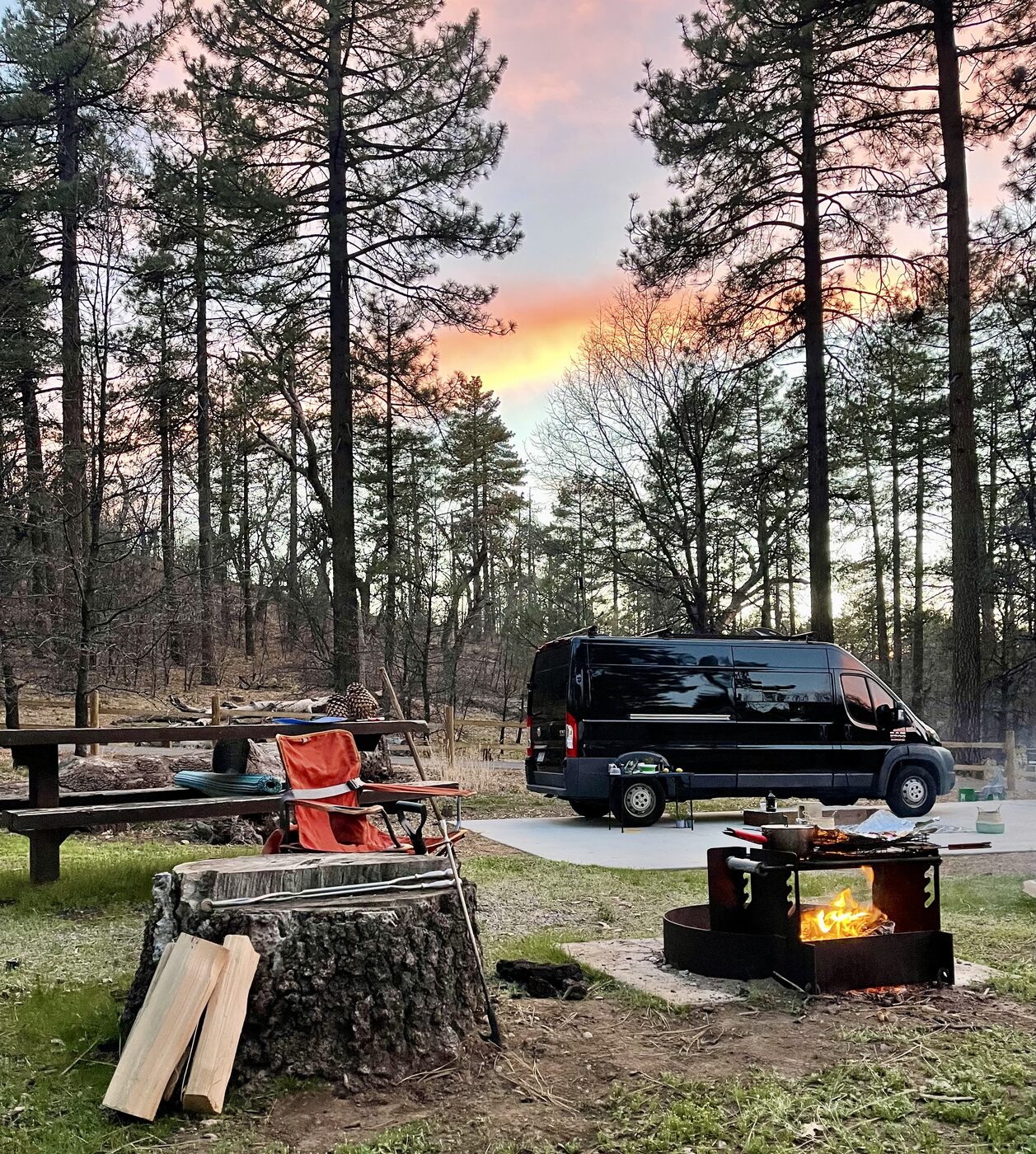
People tend to assume we have some financial advantage that made the van possible. A windfall. A remote tech salary. Rich parents. Something that explains it.
None of those are true.
What we had was a decision, and a slow, unglamorous system that made it stick.
We’re not going to tell you to cancel your Netflix or stop buying coffee. That advice is patronizing and it misses the point. What actually moved the needle for us was something less satisfying and more durable: we stopped treating travel as a reward we’d get to someday, and started treating it like a line item we paid every month.
Here’s how we actually did it.
WE GOT HONEST ABOUT WHAT WE WERE ALREADY SPENDING
Before we changed anything, we tracked every dollar for thirty days. Not to punish ourselves, just to see clearly.
What we found wasn’t dramatic. No single villain. Just a pattern of small, unconsidered spending that added up to a number we hadn’t consciously chosen. Subscriptions we’d forgotten about. Meals out that weren’t particularly enjoyable, just convenient. Purchases that felt like nothing in the moment.
We weren’t living extravagantly. We were living on autopilot.
Once we saw it written down, we didn’t need a budget guru to tell us what to cut. It was obvious. We made a few deliberate choices, redirected that money, and opened a separate account we literally named “Van Fund.”
Naming it mattered more than we expected. It stopped being abstract.
WE LOWERED OUR BASELINE, NOT JUST OUR SPENDING
This is the part most saving advice skips.
Cutting lattes doesn’t change your financial life. Restructuring your cost of living does.
When we moved into the van, our monthly overhead dropped sharply. Van payment, insurance, and gas (vehicle and home combined) ran us under $1,100 a month. Split two ways. That covered where we slept, how we got everywhere, and every mile we drove.
Prices have gone up since then, but the math still holds: it was less than most people pay for a one-bedroom apartment, and it came with the entire country as a backyard.
No rent. No utility bills. No lease anchoring us in place. The van wasn’t free (build costs, maintenance, the occasional repair) but the total was significantly less than what apartment living had cost us, and we were moving the whole time.
That gap between old overhead and new overhead became our savings rate. We didn’t have to be disciplined about it. It happened structurally.
We’re not saying everyone needs to live in a van. But if you want to travel seriously, look at your fixed costs before your discretionary ones. That’s where the real money is.
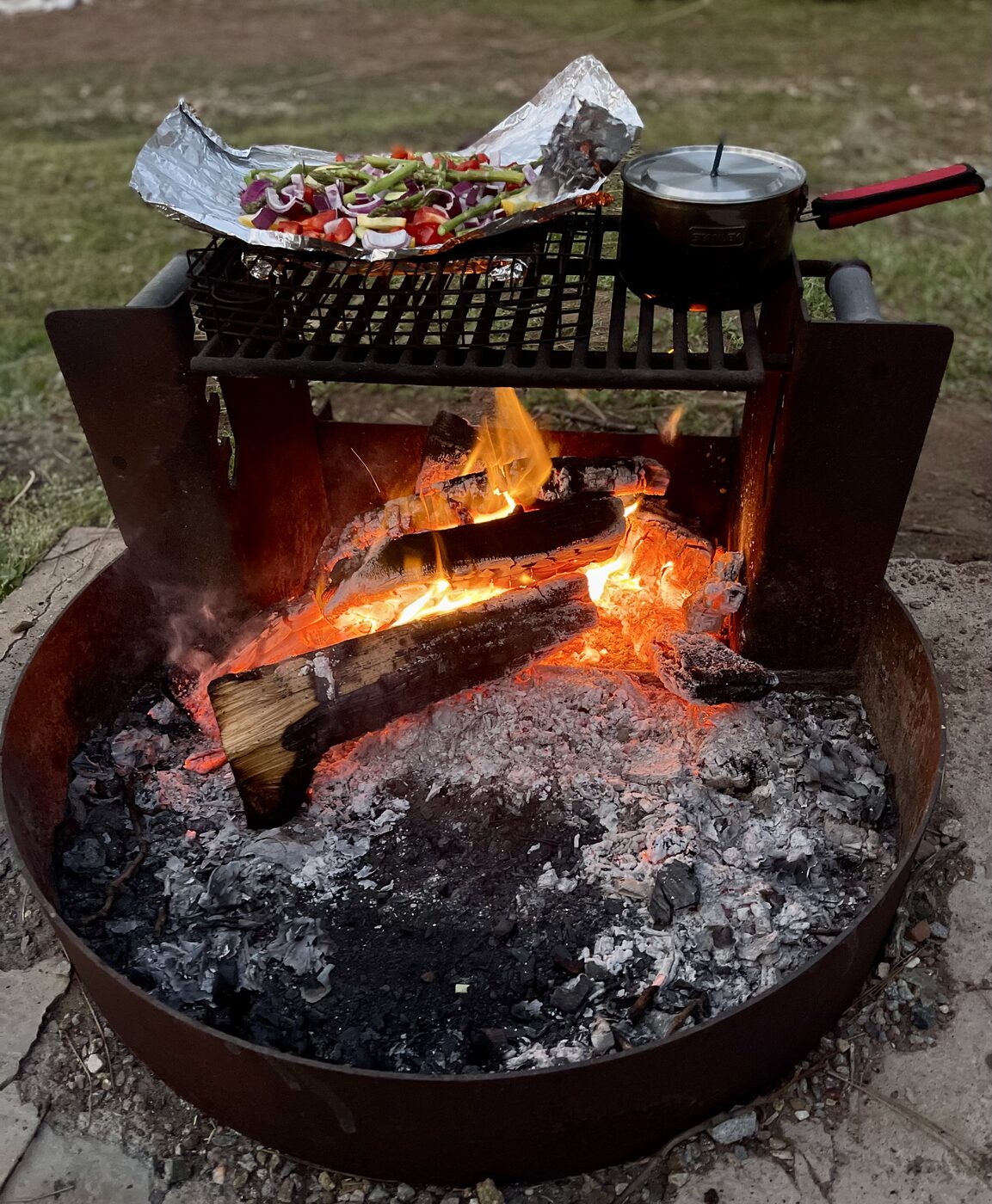
WE TREATED THE SE ASIA TRIP LIKE A FINANCIAL DECISION, NOT A FANTASY
By the time we were planning eight months across Southeast Asia, we’d already built the habit of running numbers before romanticizing.
Here’s what we knew going in: the cost of living in Southeast Asia (accommodation, food, transportation, daily life) was a fraction of what it cost us to live in the United States. In many places we stayed, we were spending less per day than a single dinner out back home would have cost.
That’s not a travel hack. It’s just how far a dollar goes there.
We calculated a realistic daily budget for the region, multiplied it across our timeline, added a buffer for flights and unexpected costs, and compared it to what staying home would have cost us over the same period. The gap was significant enough that the trip, in some ways, made more financial sense than not going.
That reframe, travel as financially rational rather than financially reckless, changed how we talked about it. And it changed how easy the saving felt, because we weren’t sacrificing toward something irresponsible. We were building toward something we’d actually costed out.
THE SYSTEM, SIMPLY
See clearly first. Track your spending for one month before changing anything. Don’t guess. Know.
Name the account. Open a dedicated savings account for the trip and give it a real name. “Travel Fund” beats “Savings Account #3” every time. Your brain responds to specificity.
Automate the contribution. Set a recurring transfer on payday, even if it’s small. Consistency beats size. A hundred dollars a month for a year is twelve hundred dollars you didn’t have before. That’s flights.
Look at your baseline. Cutting coffee is symbolic. Cutting a subscription you forgot you had, downsizing a car payment, finding a cheaper living situation, even temporarily. These move real numbers.
Run the actual numbers on the trip. Don’t estimate vaguely and hope. Look up real accommodation costs in the places you want to go. Real food prices. Real transportation. Southeast Asia is not expensive. Neither is much of Central America, Eastern Europe, or Mexico. Look it up before you rule it out.
THE SMALL THINGS THAT ACTUALLY ADD UP
We always keep certain staples on hand in the van — basics we know we’ll use no matter where we are. But beyond that, we shop the sales. I’ll go in with a plan and a list, and if I spot something good the minute I walk through the door, I’ll scrap the whole plan and build a meal around whatever the deal is. That flexibility, the same instinct that has us turning toward Montana when we’re already on the road, saves real money over time and usually leads to better meals anyway.
None of the habits below are revolutionary. But we do all of them consistently, and the cumulative effect is real.
Join every store membership wherever you are. Grocery store loyalty cards, wholesale clubs, local co-ops: wherever we’re shopping, we sign up. The discounts compound quickly when you’re on the road and shopping every few days. Same goes for gas: we look up loyalty apps in every region we travel through. A few cents per gallon sounds trivial until you’ve driven 40,000 miles.
Check the map before you fill up. Fuel prices vary more than most people realize, even within a few miles. The station one exit over is often noticeably cheaper. Thirty seconds on the map, every time.
Waste nothing. Living in a van with a small fridge changed how we grocery shop. We go every three to four days, buy what we’ll actually use, and cook most of our own meals on the road. We don’t stockpile. We don’t let things go bad. It’s not a sacrifice, just paying attention.
Book accommodation by the week or month, not the night. Nightly rates are the most expensive way to sleep somewhere. When we’re staying more than a few days, we always ask about weekly pricing. Most hosts offer it. The ask takes one sentence.
Use flexible flight dates. A one or two day shift in departure can save hundreds on international flights. Check prices across a full month calendar before you pick your date, not the other way around.
Travel shoulder season. The experience is often better and the price is always lower. Shifting just outside peak season is one of the most effective ways to stretch a travel budget without compromising anything.
ONE MORE THING
There’s a version of this conversation that never gets said out loud: sometimes the financial hesitation isn’t really about money. It’s about permission.
Permission to want this. Permission to prioritize it. Permission to believe it’s actually possible for someone like you.
We get it. We sat with that hesitation for a full year before we booked our first flight to Asia. We watched the account. We ran the numbers. We talked ourselves in and out of it dozens of times.
The numbers eventually became clear. But the decision to take them seriously came first.
Start there.