Karlee here. My first time in Paris, on my backpacking trip through Europe in my 20s, I was lost.
Not metaphorically. Actually lost, backpack digging into my shoulders, my friend equally exhausted beside me, both of us trying to find our hostel after a day of travel that had taken everything we had. Tired past the point where anything charms you. You just want to put something down.
We had been walking a while. We were clearly not where we were supposed to be.
A woman approached us. She was older, unhurried, put-together in the way certain French women are put-together: long fur coat, strands of pearls. She looked at us the way someone looks at people who are obviously lost and have stopped pretending otherwise.
I tried to ask for directions. We didn’t share a language. That became apparent quickly.
She took me by the hand anyway.
No negotiation, no hesitation. She walked us an entire block to a friend of hers, and the two of them worked together to figure out where we needed to go and get us pointed in the right direction.
I’ve thought about that woman many times since, and less about the kindness itself than about what made it possible. She wasn’t rushing between a tourist landmark and a restaurant with a queue out the door. She had time and attention. She noticed us, and she had the space to do something about it.
That’s what a city feels like when it isn’t overwhelmed.
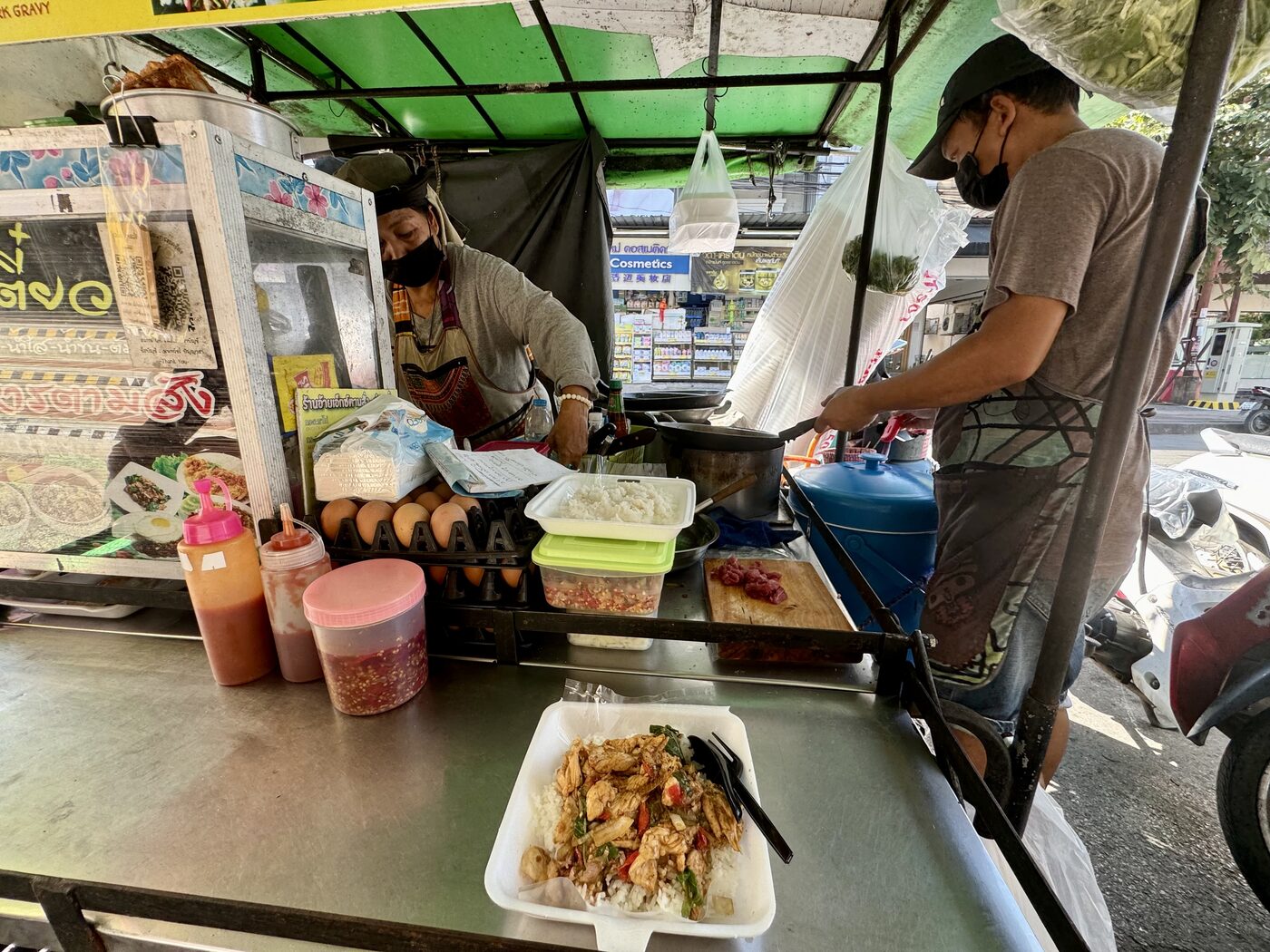
Europe is expensive. We flew into Geneva with seven months of Southeast Asia behind us, and the contrast hit immediately: $2 bowls of noodles on plastic stools one week, gyros at Mein Kebab in Zurich for 15 to 20 Swiss francs the next.
But when you go matters almost as much as where. Travel Europe in July or August and you’re paying peak prices for a diminished experience: crowds at every landmark, heat you didn’t plan for, restaurants running tired menus because turnover is guaranteed and effort is optional. The Trevi Fountain so packed you can’t see it from the street. Venice so full of day-trippers that locals have largely stopped coming to the center.
Travel in May or September and you get the same continent for a lot less money, with room to breathe, locals who are present, and the city showing you something closer to its real self.
For most of Europe, the shoulder months are just the better trip.
What shoulder season means
Shoulder season in Europe runs twice a year: late April through early June, and again from September through October. These windows sit between the summer crush and the winter slowdown: warm enough to enjoy, quiet enough to matter.
July and August are peak. That’s when school is out across Europe and North America simultaneously, when the queues stretch into the street, when accommodation costs the most it will all year. Flights follow the same curve.
November through March is off-season: cheaper still, but with shorter days, closed seasonal businesses, and weather that limits what you can do.
Shoulder season is the sweet spot.
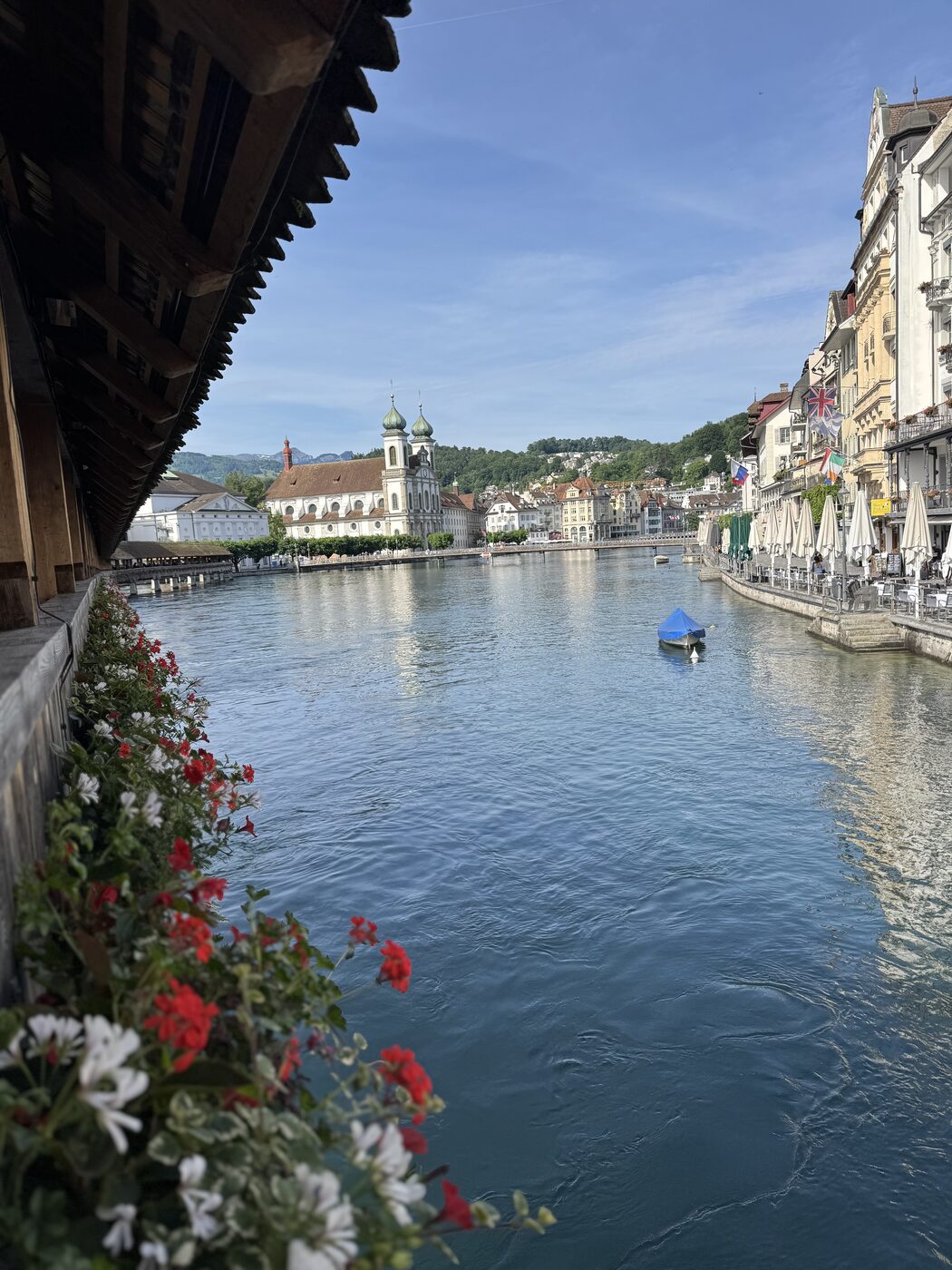
The savings are real
Flights, rooms and rental cars all follow the same curve: highest in July and August, lower on either side. How much lower changes every year and from city to city, so we won’t pretend there is one number. Price the same trip in mid July and mid September before you commit, and look at the gap yourself.
On a two-week trip for two people, that’s often enough to cover an extra few nights, a nicer dinner, or the day trip you’d have skipped otherwise.
The experience is better too
This is what surprises people.
The financial case for shoulder season is easy to make. The experiential case is the one that actually converts people, because what you get matters more than what you save.
Jesse traveled through Ireland, Greece, Belgium, Germany, Poland, Austria, and Switzerland, much of it outside peak season. He still talks about an afternoon in an Irish pub in early autumn, an afternoon that couldn’t have happened in July, when every stool is taken and the energy is performative. In Kraków, the Old Town square at dusk in September: unhurried, locals actually present, room to look up at the architecture without someone else in your eyeline.
And that Paris woman in the fur coat and pearls? That moment doesn’t happen in August. In August, she’s inside, windows closed against the tourist noise, waiting for September.
Shoulder season gives you the locals, and it gives you the city while it’s living its own life instead of performing for cameras.
Where to go, and when
Not all of Europe behaves the same way seasonally. By region:
Mediterranean Europe: Italy, Spain, France, Greece, Croatia The most crowd-sensitive destinations on the continent. Spring or autumn brings reduced costs and calmer experiences. Best windows: May and late September through October.
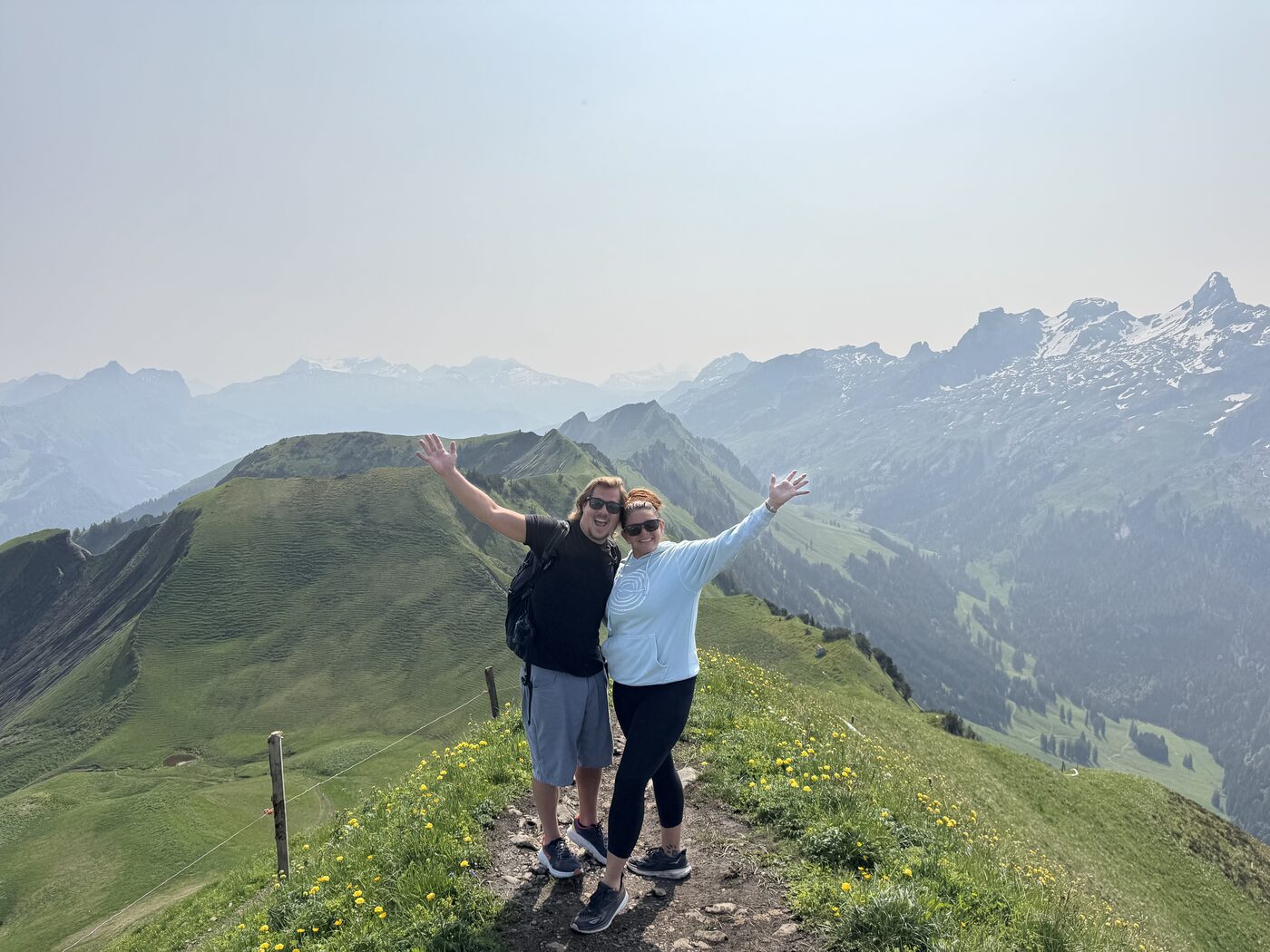
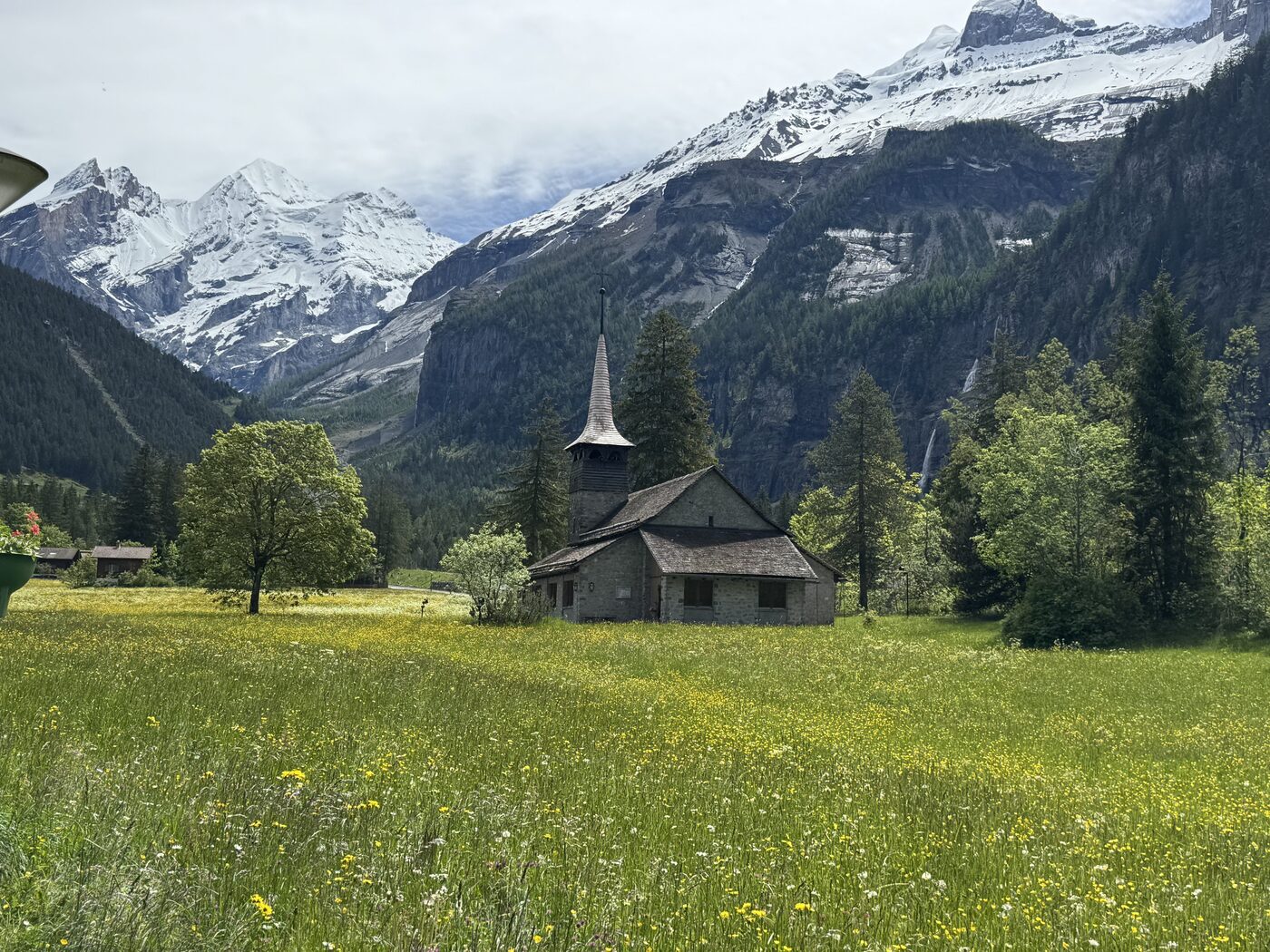
Central Europe: Switzerland, Austria, Germany, Czech Republic By May and June, Central Europe is at its best: comfortable temperatures, tourist pressure not yet peaked. Best windows: May through early June, and September.
Western Europe: France, Netherlands, Belgium Paris is Paris year-round, but the experience shifts noticeably outside July and August. Spring and early autumn suit these cities far better than midsummer. Best windows: April through May, and September through October.
Eastern Europe: Poland, Balkans Already more affordable than the west. Shoulder season compounds those savings. Best windows: May and September through October.
One honest note: the UK and Ireland are wetter in October. Northern Scandinavia in April still has cold, short days. Check what’s actually running in your specific destination before locking in dates.
The practical moves
Book flights midweek. Departures to Europe midweek are often cheaper than on a Friday or a weekend, so check a Tuesday or Wednesday before you lock in.
Set price alerts early. Use Skyscanner or Going to track fares across a flexible date window. Shoulder season deals move fast, and the earlier you’re watching, the better positioned you are.
Don’t anchor to one date. A one or two day shift in departure can mean hundreds of dollars in savings. Build the flexibility into your planning before you commit.
Book accommodation weekly when staying put. Boutique guesthouses and apartments in Europe often offer substantial weekly discounts. Just ask.
Shoulder season doesn’t mean cold. Southern Europe in September is warm and golden. Paris in May is one of the finest versions of Paris. Pack a layer and don’t let calendar assumptions talk you out of good weather.
The honest bottom line
Most people book Europe in July or August because that’s when everyone else does: school schedules, habit, the assumption that summer is when you travel.
That assumption is costing them money and experience at the same time.
Shoulder season doesn’t ask you to sacrifice anything, just to shift five or six weeks in either direction. The Colosseum is still there in September, the Seine in May. The Alps don’t pack up when August ends.
Everything is just quieter, cheaper, and in most ways better.
And somewhere in Paris, a woman in a fur coat and pearls might take you by the hand.