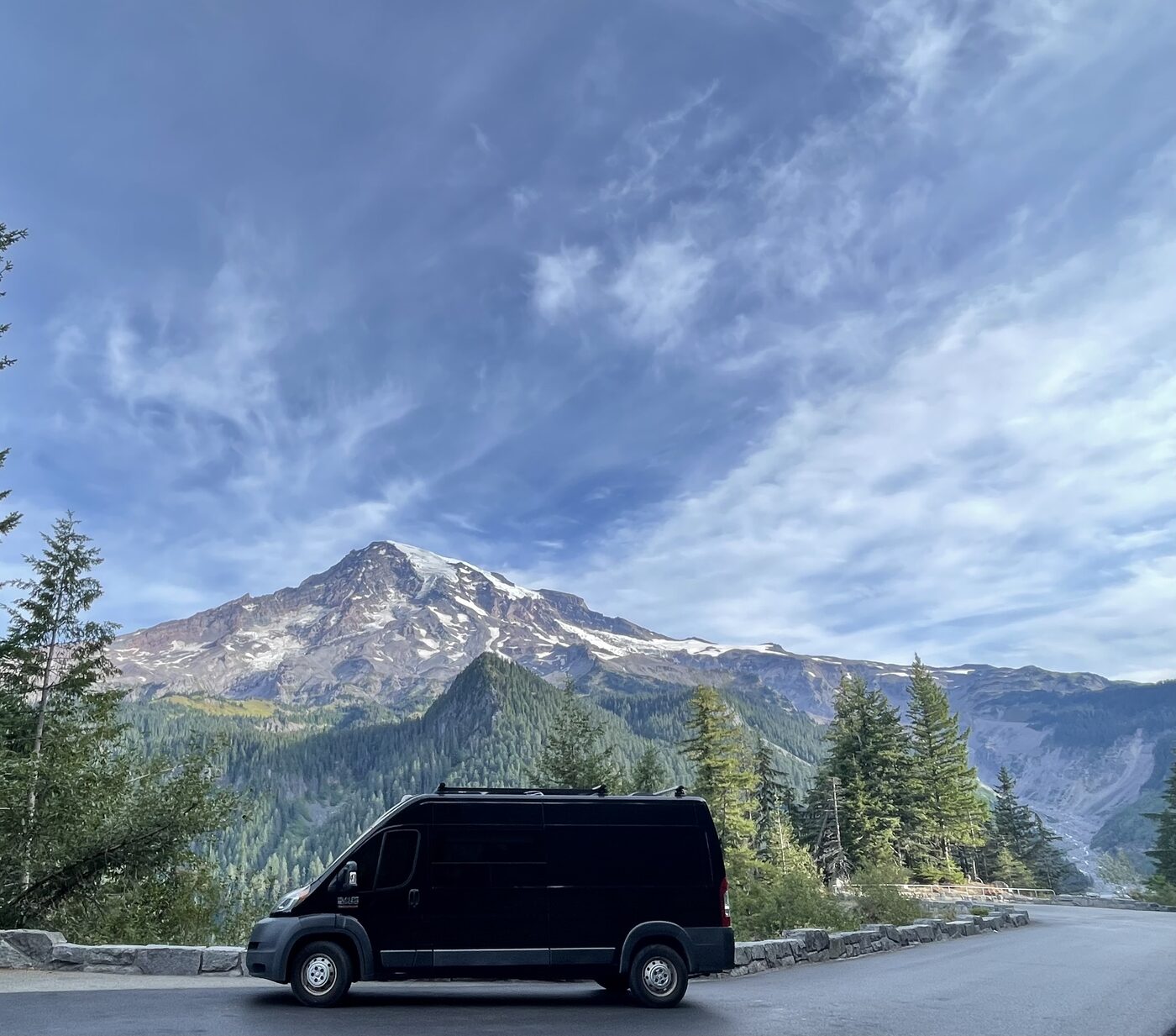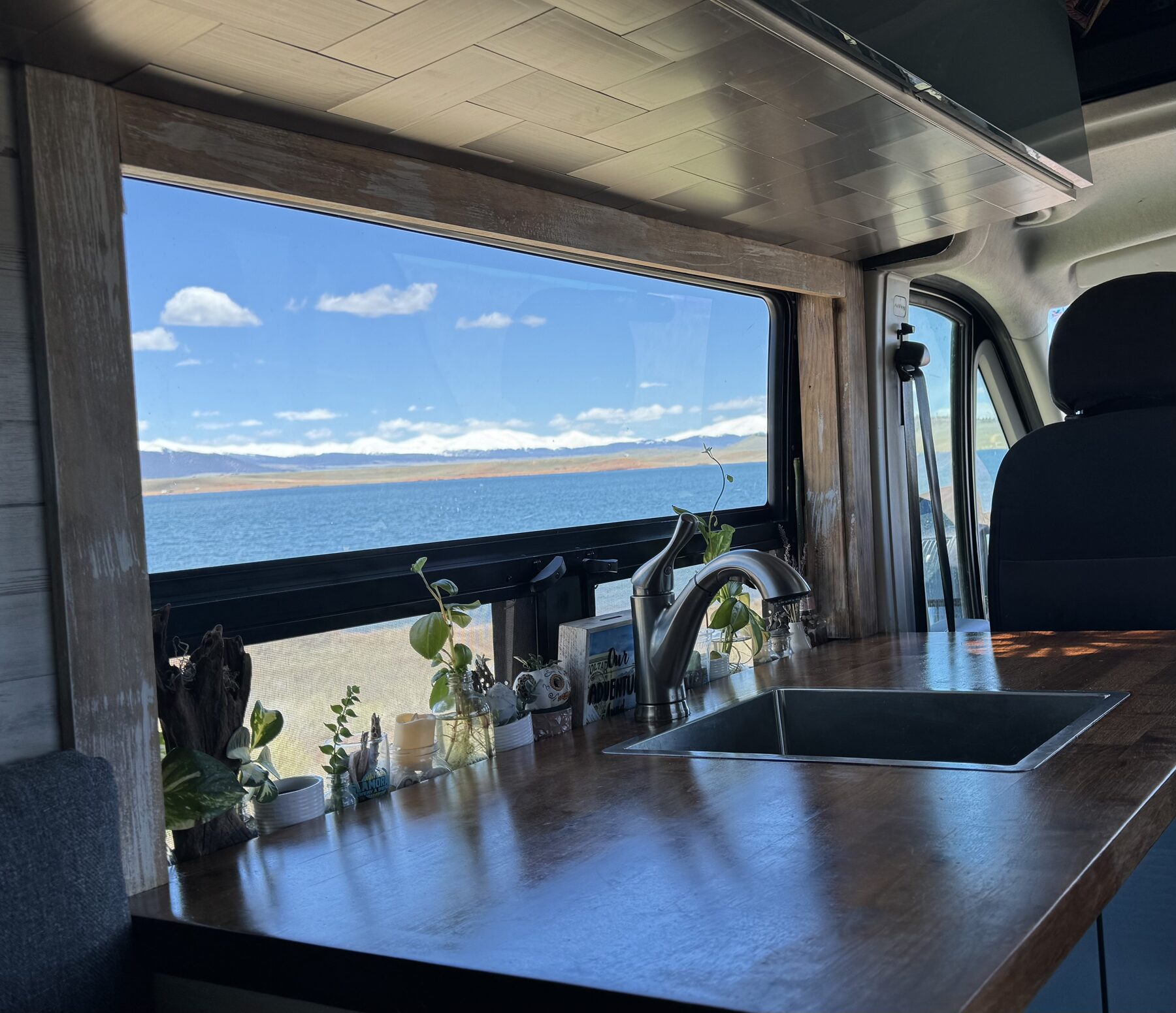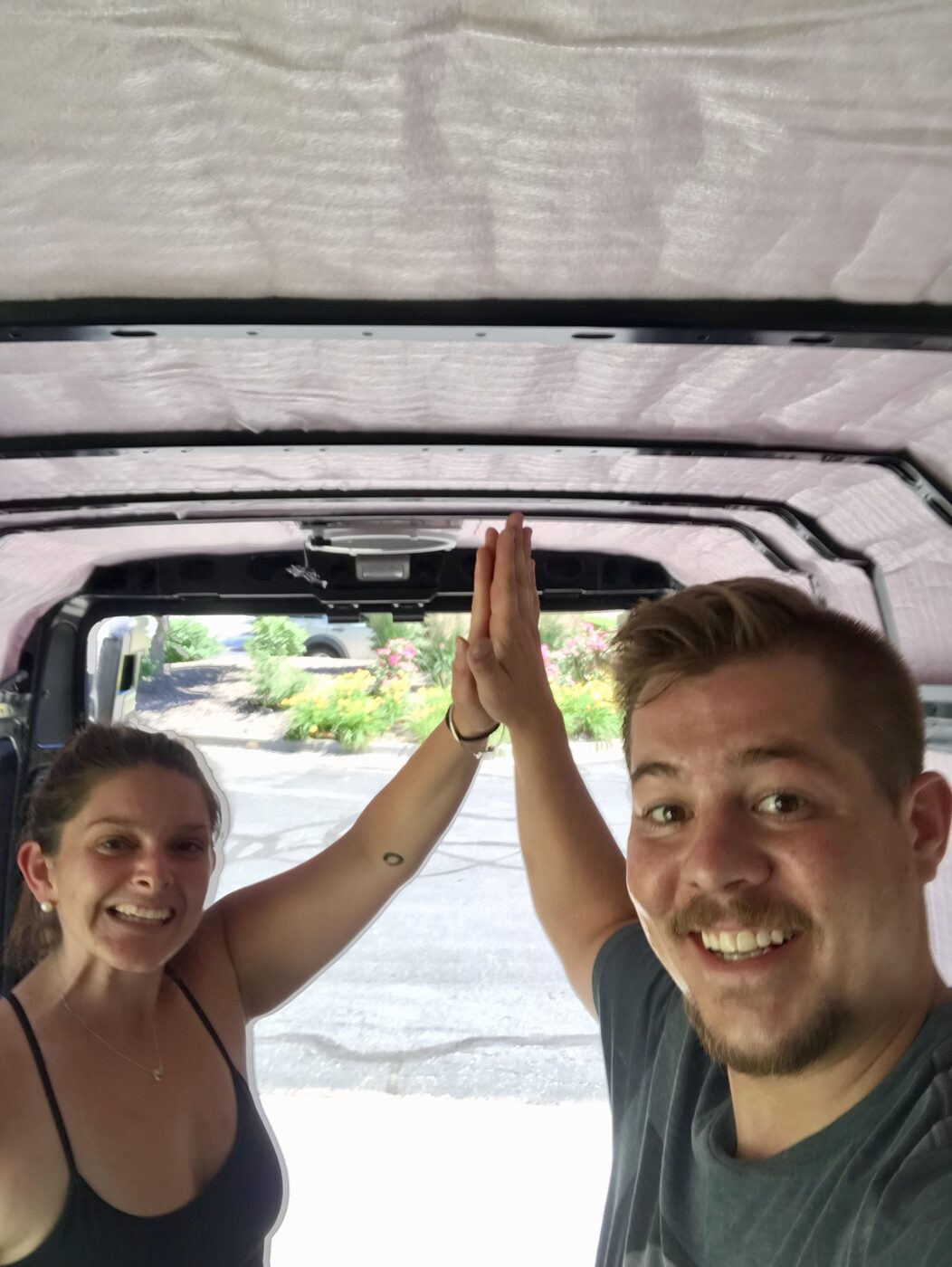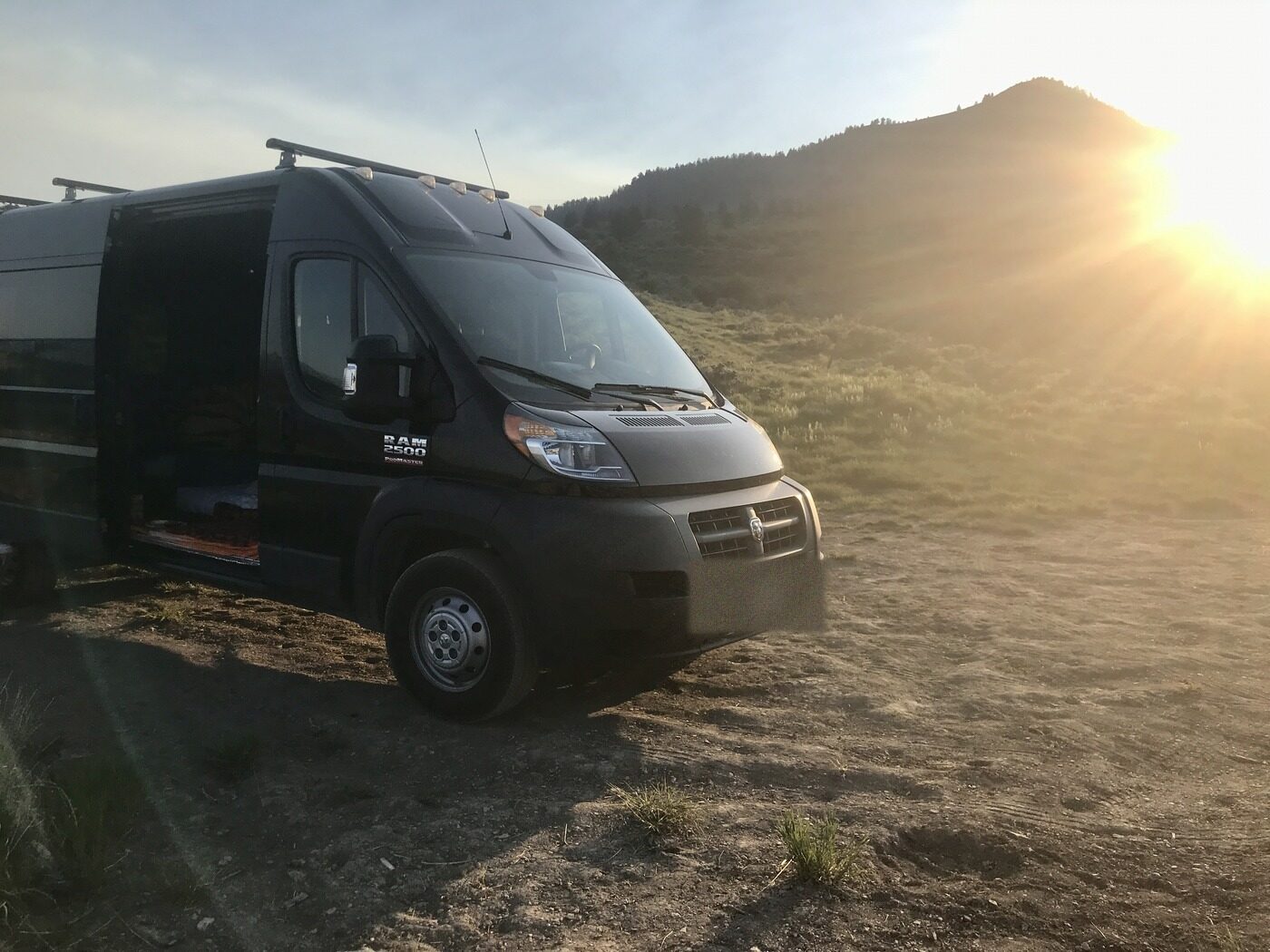
There’s no shortage of van life content online. The golden hour shots, the freedom narratives, the carefully curated morning routines with coffee and mountain views. We’ve contributed to some of that, and we don’t apologize for it. Those moments are real.
But so is everything else. And after eight years of living this life full-time, we’ve noticed that the things that actually shape you, challenge you, and sometimes nearly break you are rarely the things anyone leads with.
This is the honest conversation we wish someone had pulled us aside to have before we left, not a scare piece. The stuff that lives between the highlight reels.
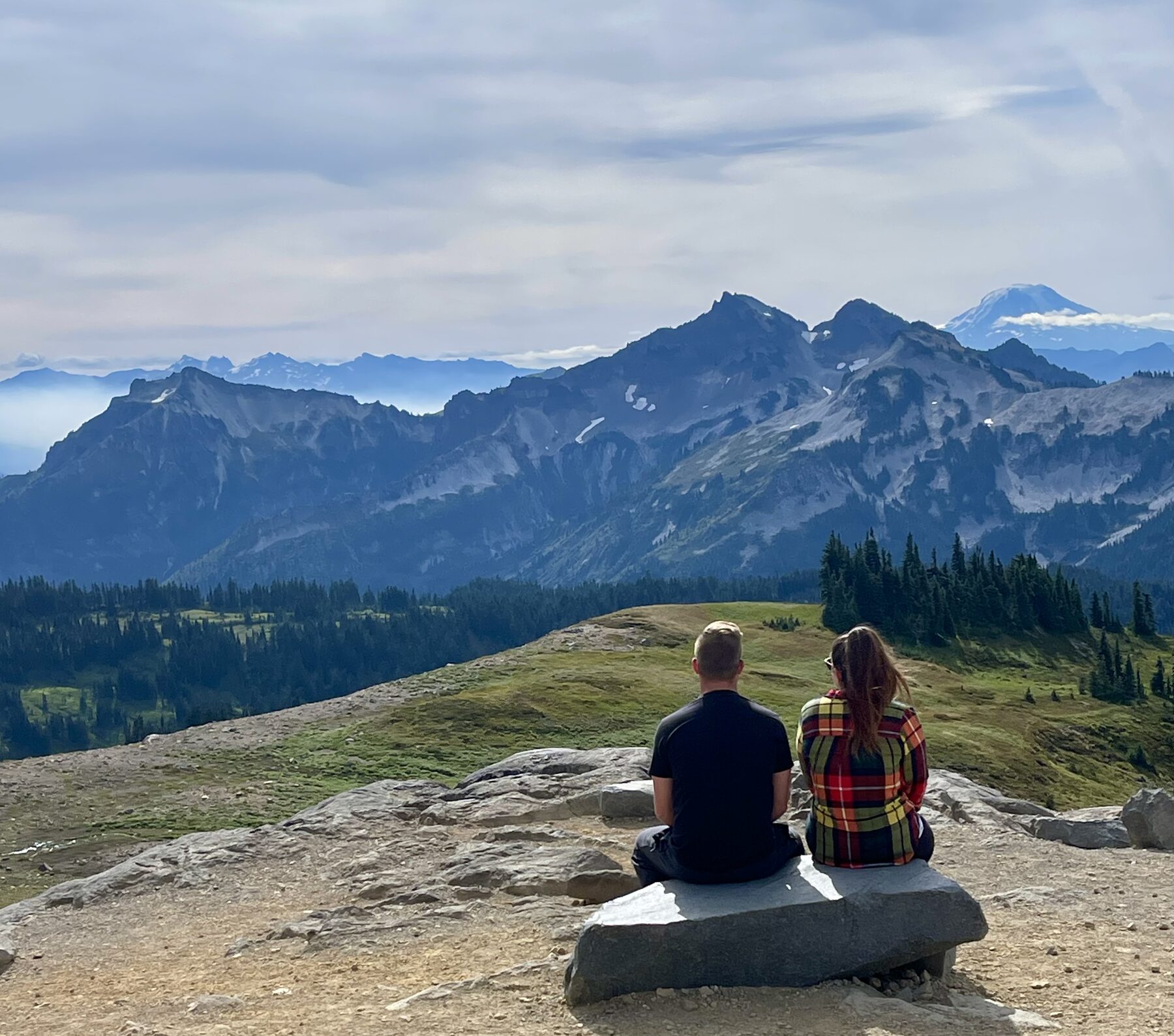
Finding a place to sleep is a skill — and it never fully stops being stressful
This one catches almost everyone off guard. You imagine pulling off somewhere beautiful and drifting off under the stars. Sometimes that happens. But more often, especially when you’re in or near a city, finding a safe, quiet, legal place to sleep is a nightly puzzle that requires real mental energy.
You can’t stay in the same spot indefinitely. Neighborhoods notice. Situations change. What worked last week might not work this week. We’re always reading the environment: is this street quiet enough, safe enough, respectful enough?
That last part matters a lot to us. We’re respectful of the spaces we occupy. We don’t park in front of someone’s home. We don’t linger where we’re not welcome. We leave places better than we found them. But that level of conscientiousness takes energy, and in denser areas (cities, suburbs, busy tourist towns) it can feel like a part-time job just to figure out where you’re allowed to exist for the night.
The search for a safe, quiet place to sleep is the most unglamorous part of van life, and it’s also one of the most constant.
It gets easier as you learn to read places and build a mental map of what works. But it never fully disappears, and knowing that in advance helps you make peace with it instead of feeling like you’re doing something wrong.
Your relationship will be tested in ways you didn’t see coming
If you’re doing this with a partner, buckle up. Not because van life is hard on relationships (it can actually be incredibly good for them) but because it removes every buffer you normally rely on.
There’s no separate office to go to. No commute to decompress during. No extra room to retreat to when you need space. It’s 70 square feet, two humans, and every unresolved thing you’ve been carrying.
We had to learn new ways of communicating. Not just talking more, but learning when to talk, how to ask for space without it feeling like rejection, how to give each other room to breathe inside a life that doesn’t have much of it. We had to get intentional about carving out time that was just ours, individually, even when the logistics made that hard.
The couples who thrive in van life learned to fight better, and to make space for each other on purpose. Never fighting has nothing to do with it.
Decision fatigue is real and relentless
Every day involves decisions that most people outsource to routine. Where do we park tonight? Where’s the nearest potable water? Is the dump station at that campground open? It’s going to be ninety degrees at midnight here, so do we drive somewhere higher or just sweat it out with the fan?
In a traditional home, these questions don’t exist. In a van, they’re the background hum of every single day. Early on, the novelty makes it feel like adventure. After a while, it can feel like cognitive load you didn’t sign up for.
The antidote is systems. The longer we’ve done this, the more we’ve built routines that make recurring decisions automatic. But it takes time to build those systems, and in the meantime, give yourself grace for feeling worn out by it.
The loneliness can sneak up on you
Van life communities are warm and real, and the internet has made it easier than ever to find your people. But community still requires intention and effort in a way that stationary life doesn’t always demand.
When you’re moving through places, or even parked in one spot for a while, you don’t have the built-in social infrastructure most people rely on. No coworkers. No neighbors you see every day. No gym where familiar faces accumulate.
Loneliness in van life rarely announces itself as sadness. It’s more often a quiet Sunday where you realize you haven’t had a real conversation with anyone outside your van in four days. It sneaks.
The people who navigate this best stay proactive about connection: they seek out meetups, make plans with people they meet, nurture friendships on purpose. It’s doable. It just doesn’t happen on its own.
Your identity will shift, and that’s disorienting
Before van life, most of us have a clear script for who we are. Job title, neighborhood, routines, social circles. These things anchor identity in ways we don’t realize until they’re gone.
Van life strips a lot of that away. Which is part of the appeal. But the stripping-away process is messier than the freedom narrative suggests. There’s a period, sometimes months, where you’re not sure who you are without the old context, and you haven’t yet built the new one.
We’ve watched people quit in that window, convinced the life wasn’t for them, when really they just hadn’t given themselves enough time to settle into a new version of themselves. If you hit that disoriented patch, stay curious about it instead of afraid.
Maintenance will humble you
The van is your home, your transportation, and your responsibility, all at once. Things break. Things wear out. And when they do, you don’t have the luxury of calling a landlord.
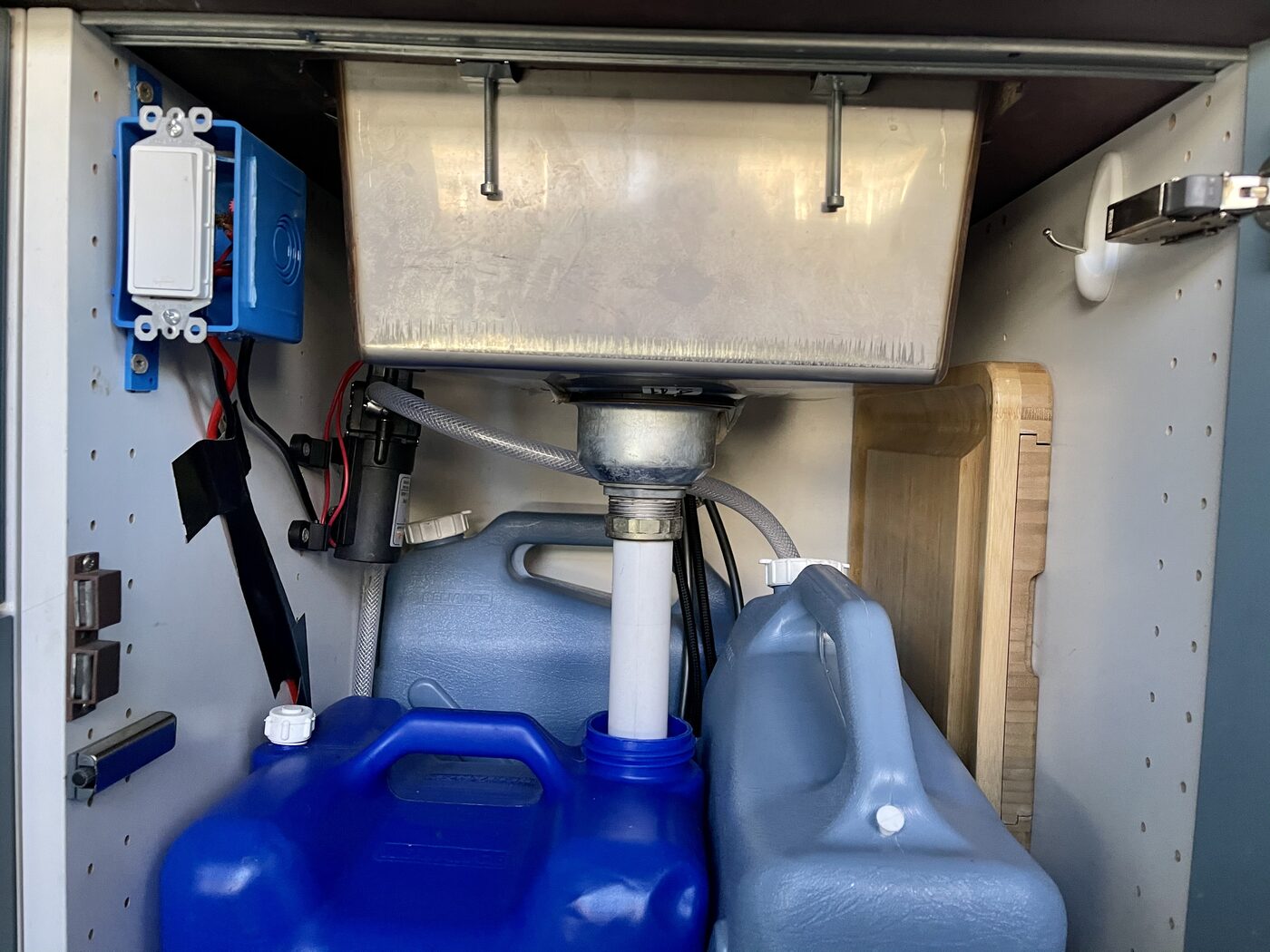
We’ve had to learn things we never expected to learn. We’ve done repairs on the side of roads, in parking lots, in the rain. We’ve had to make judgment calls about what can wait and what can’t. That knowledge is hard-won and valuable, but the earning of it isn’t always comfortable.
Budget for maintenance from day one, build a small emergency fund before you leave, and get comfortable with the idea that your van will occasionally be inconvenient. It will also, consistently, be worth it.
The things nobody tells you are usually the things that make you
After eight years, the unglamorous parts have stopped looking like warnings to us.
The nightly search for a parking spot has made us more resourceful, more observant, and more grateful for a great night’s spot than we ever would have been otherwise. The relationship friction made us better partners. The loneliness made us more intentional about connection.
Van life doesn’t hand you a better life. It hands you the raw materials and makes you build one. That’s harder than the highlight reels suggest, and it’s also more worth it than they can capture.
If you’re in the middle of one of these hard patches right now, we see you. The hard parts are the texture of the life, not reasons to walk away.